



“In Spain, there’s a tradition called la hora del vermut,” says Cueva Nueva founder Phi Peinado. “It’s a midday pause where people gather at their neighborhood bar, share salty snacks, good conversation, and a couple glasses of vermut.”
This tradition isn’t happy hour, he’s quick to emphasize, It’s about celebrating the day while it’s still unfolding. It’s also, according to him, unpretentious, communal and “uniquely Spanish”.
His brand, Cueva Nueva – which he set up together with co-founder David Neimanis – is a way of grabbing that feeling, bottling it, and inviting the world into a tradition that’s about slowing down and enjoying the moment.
Why don’t more people drink vermouth?
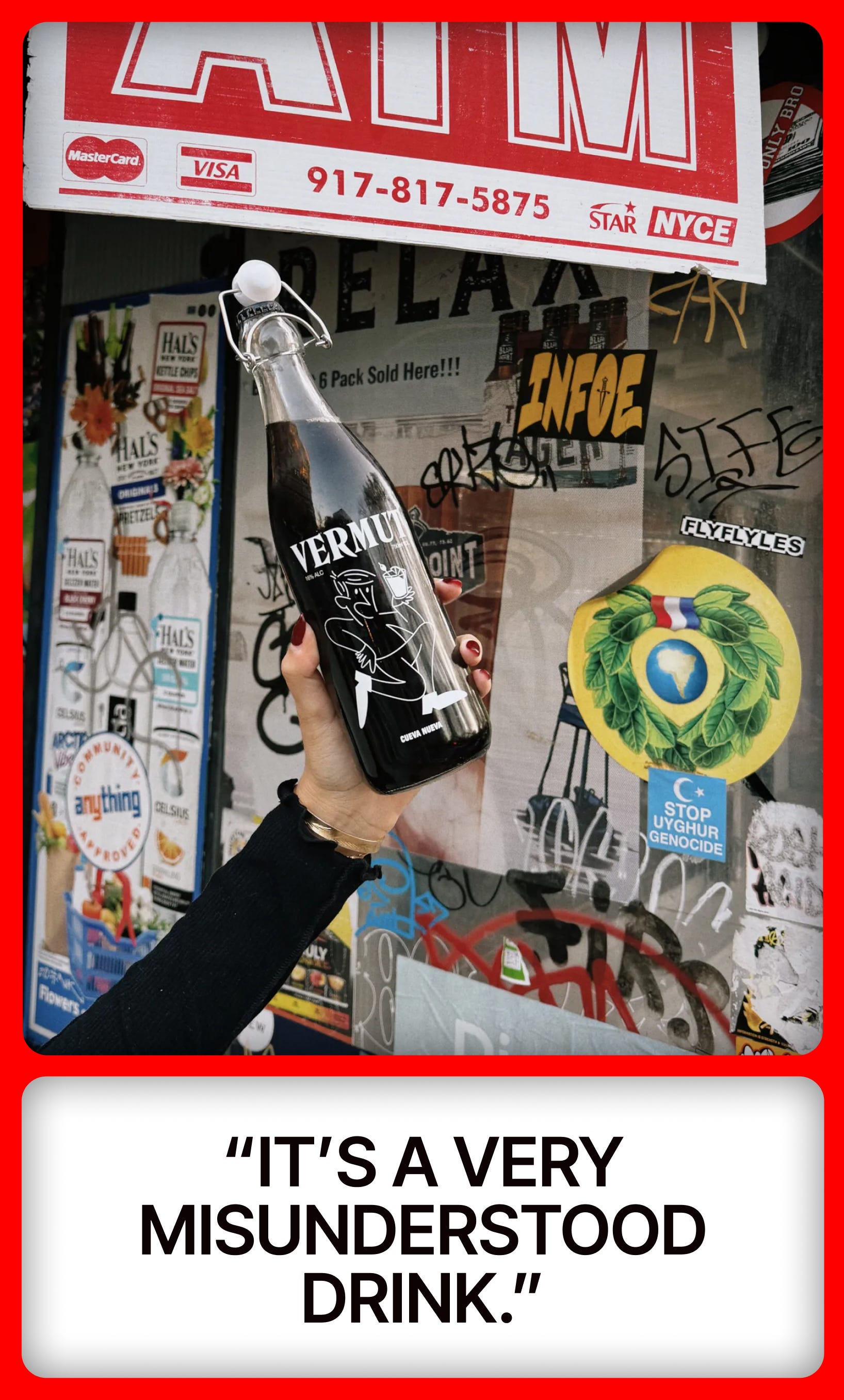
It’s fair to say that vermouth isn’t one of the buzzy drinks of the moment. And that’s a terrible shame because having tried Cueva Nueva, it’s exceptional.
According to Phi, it’s a very misunderstood drink. Most people don’t realise it’s a wine, he says, or that it can be enjoyed on its own. It’s also been seen as the least exciting part of many classic cocktails – the one ingredient it’s ok to cheap out on.
It’s actually a different story in Spain, where it is buzzy. Vermut culture was fading away with an older generation, but around 2007 younger drinkers started becoming curious about the category and reclaiming it, prompting a wave of new vermut bars across the country.
“People who travel to Spain usually understand the hype pretty quickly,” he says. “You’re hard-pressed to find a bar or sunny terrace where vermut isn’t being enjoyed. But there hasn’t been much effort to export that culture – not just the product – to foreign markets.”
Phi thinks there’s a huge space here. Consumers want lower-ABV drinks, they want global flavors, and they want more affordable ways to drink. “There’s a lot of room for vermouth to finally make some noise,” he says.
Ok, so how is Cueva Nueva going to do it?
Cueva Nueva isn’t reinventing a category, it’s borrowing from a much-loved and very successful culture. Phi says he’s not expecting Americans to stream into old-school Spanish tabernas at 11am and sup on a round of vermut (shame). But he does expect them to enjoy Cueva Nueva in dive bars, at aperitivo-focused wine bars and in neighborhood watering holes that have already mastered the same kind of vibe.
“Our job is to find how the spirit of la hora del vermut can live within the existing US culture,” he says. “We show people how we like to enjoy it, through happy hour events, parties, and an organic, culture-forward content strategy.”

Phi says European imports into the US market often play on ‘fanciness’. In contrast, Cueva Nueva is showing up where people are drinking, and taking the vermut culture to them.
QUICK FACT: that’s why it’s called Cueva Nueva, which translates to ‘new cave’. “It’s this idea that new caves aren’t created; they’re rediscovered,” says Phi.
What’s working?
Cueva Nueva’s strategy is disarmingly simple: it’s run by two guys living a great life in Spain, and that is the brand.
Phi says him and his co-founder have always been clear that they’re building the brand for themselves, and they trust their own taste. They’ve made a liquid that they love; they’ve put it in a bottle that they think looks great; they host parties they’d actually want to attend; and they create content that they’d stop scrolling for.
“Instead of over-analyzing what other people might want, we focus on doing what feels right to us, and doing it well. That mindset also helps when you’re operating with startup constraints. It keeps decisions simple and honest. And while it might sound a little conceited, the reality is pretty straightforward: if we’re not fully bought into the idea, why would anyone else want to join the party?”

This attitude comes through in their website, which shares thoughts on must-visit tapas spots and musings on why la hora del vermut is so special. It also shows up on their Instagram, where they share candid photos of people enjoying tapas, drinks and bars in Spain. It’s all very likeable.
“Unlike larger brands, our content strategy usually starts with a dumb idea and one of us saying, Okay, let’s do it right now before we talk ourselves out of it,” explains Phi. “The philosophy is pretty simple: if we want to win, we need to have more fun than everyone else.”
That fun part feels extremely important. In the world of big bev brands there’s a lot of lofty statements, and glossy film and overpromising. There’s something appealing about stripping it all back to something simple and real: two guys, enjoying some drinks in the sun, with some friends.
Finally, a word on distribution
Phi says that when they started Cueva Nueva, they partnered with an importer that focused on natural wines from Spain. It made sense, because vermouth technically lives in the wine category, and this partnership would give them access to cool kid wine shops and bars without massive marketing budgets.
But they were struggling to access the classic neighborhood bars they imagined themselves in – where vermouth would sit happily alongside a round of beers. These bars wouldn’t hit minimums with products that weren’t core to their business, says Phi.
So the brand shifted to a different partner that functions more like a traditional wine and spirits importer – and it’s working.
“At the end of the day, bars need to be able to add a case of vermouth onto their gin and whiskey order,” says Phi.
Finally, in New Rules tradition we asked:
What’s the brutal truth you’ve learned about building a bev/alc brand?
“Early on, it’s tempting to say yes to every opportunity that comes your way because you want to reach more drinkers. But if you can’t fully support a market, show up properly for a partner, or invest in an idea the right way, you end up stretching yourself too thin, and doing a mediocre job everywhere.”
And, is there anything you’d do differently or tell other founders to do differently?
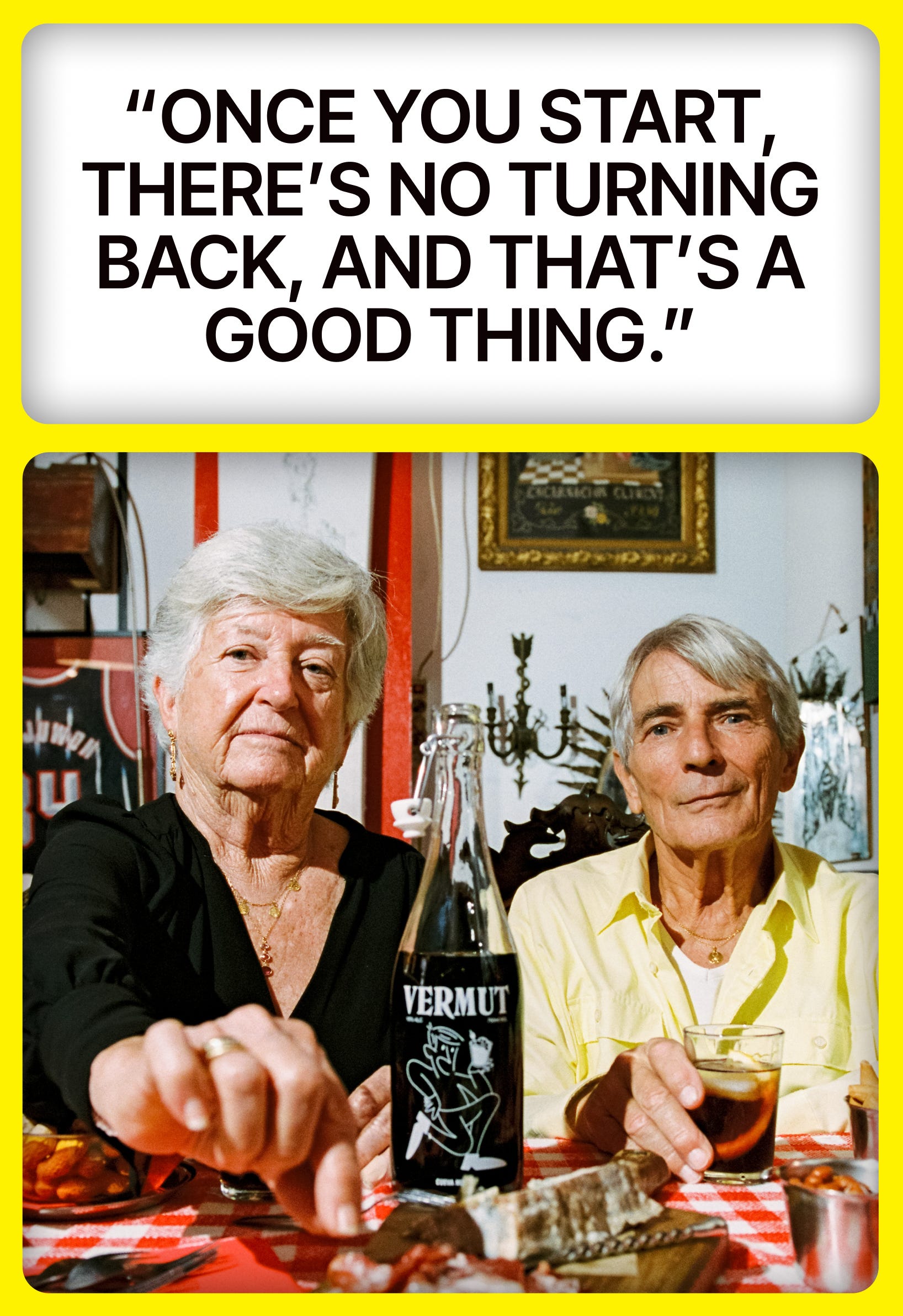
“The main advice we’d give other founders is: don’t wait so long. Just get started and get people interacting with the product. Keep it simple. Once you start, there’s no turning back, and that’s a good thing. It won’t be perfect out of the gate, but starting sooner helps you understand what actually isn’t working and fix it along the way.”
THE NEW RULE
It’s tempting to think brand-building is long and complicated, and requires a lot of deep strategy. Sometimes it does. But sometimes you just need a simple philosophy, and the willingness to stick to it.
The New Rules is a labor of love by nihilo.agency
Support us by:
- Subscribing
- Sharing
- Hiring us
- Inviting us to speak at your conference or event on branding/bev/alc/fun