


If you’re new here,welcome! If you found this interview, a Happy Hour roundup, or a Newbies breakdown helpful, join as a free subscriber. You’ll get more sharp, honest takes on where branding and beverage culture are actually headed.
PSA: Drinking is being renegotiated.
Non-alc brands are proliferating. GLP-1 prices are being lowered by President Trump (???). THC seltzers are at Target. Functional drinks promise calm, focus, sleep, or clean energy. And at the same time, people still gather at bars, dinners, long tables, and tiny apartments where someone somehow owns four different amaros.
Something real is shifting. I’m not talking trends, or even cycles. I’m talking about a rewiring in culture.
To understand it, I sat down with strategist Jasmine Bina, founder of Concept Bureau. I absolutely love her work on “invisible culture,” the feelings and behaviors moving under the surface before they are spoken aloud.
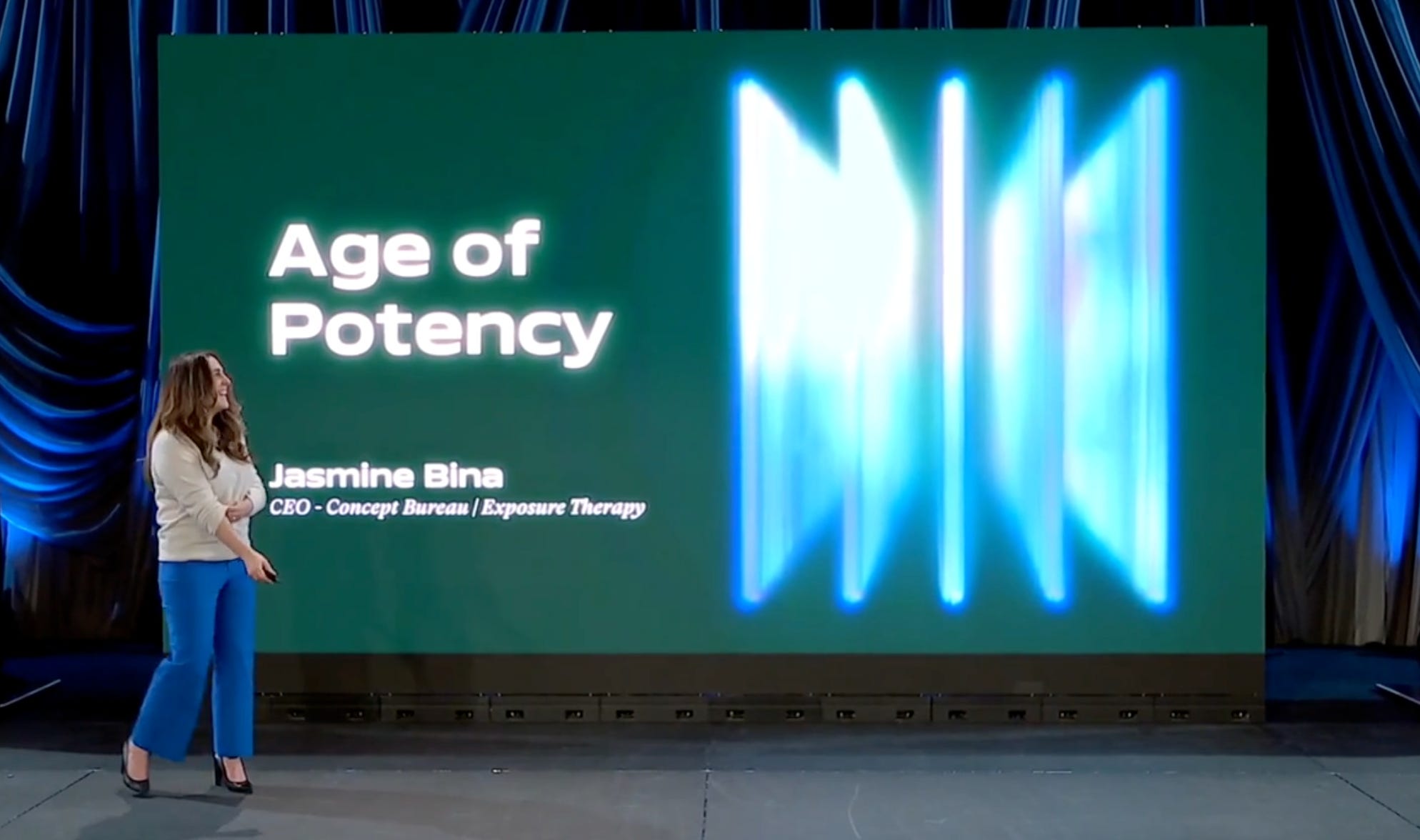
All quotes below are from Jasmine.
We chatted about the cultural forces around brand, drinking, and what’s coming next.
1. Drinking now comes with mental math
“What you put into your body now requires an insane amount of mental math.”
That math did not exist a generation ago. Wine was once safer than water. Rum rations were given to the British Navy.
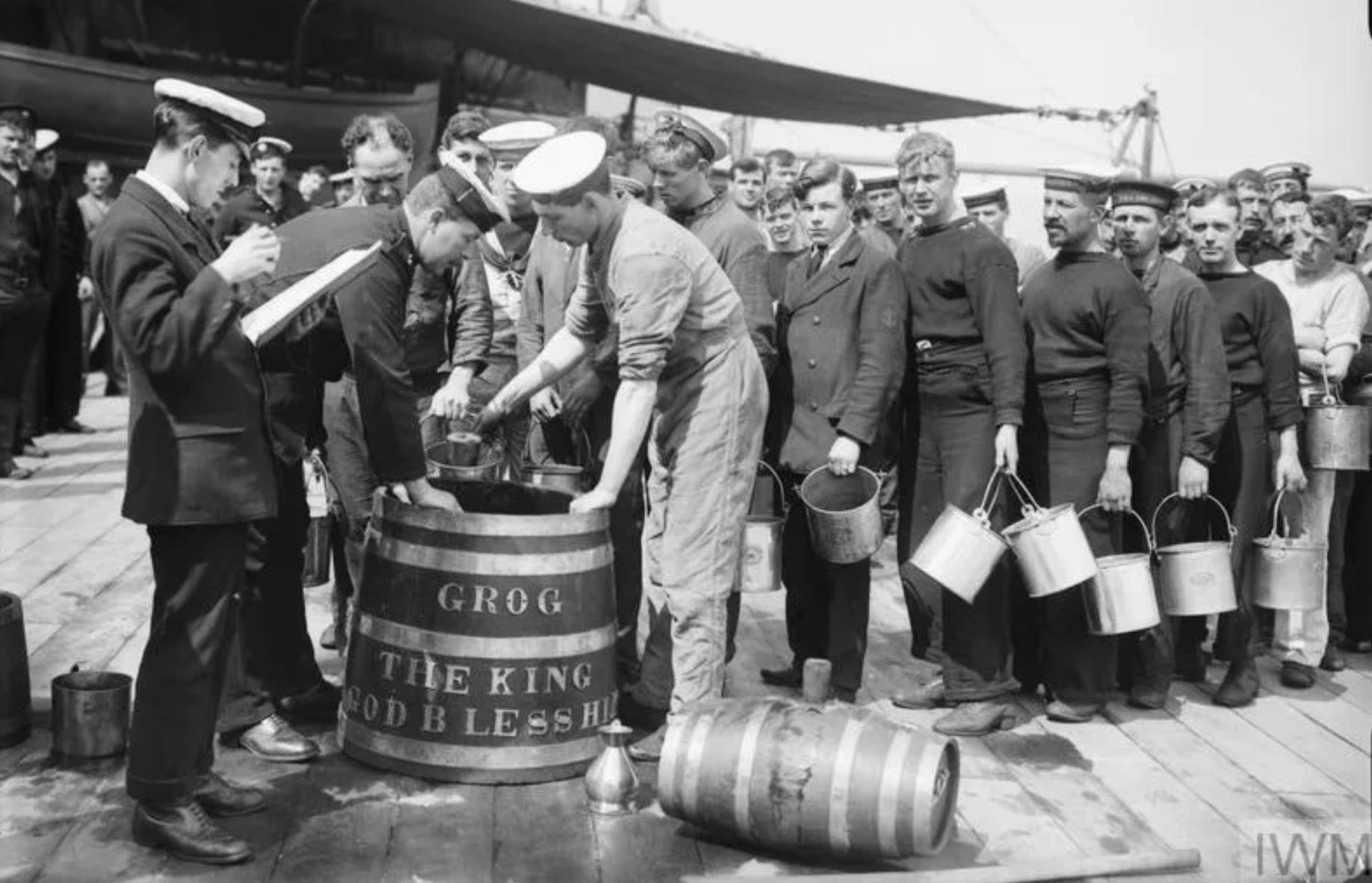
Alcohol was a social lubricant, a way to relax or escape or simply enjoy a flavor - and it did not require explanation. It just was.
Now, before someone orders a drink, an invisible spreadsheet opens in their mind.
Calories
Sugar
Provenance
Additives
GLP-1s
Gut health
Sleep tracking
Skin
Hormones
Hangover cost
Identity signaling
“We are so hyper aware of our bodies now. The surface area of what you monitor about yourself has exploded.”
Food and beverage have become moral territory. Words like clean, natural, good, and toxic are no longer neutral; they describe the person buying the drink, or at least the person they want to be.
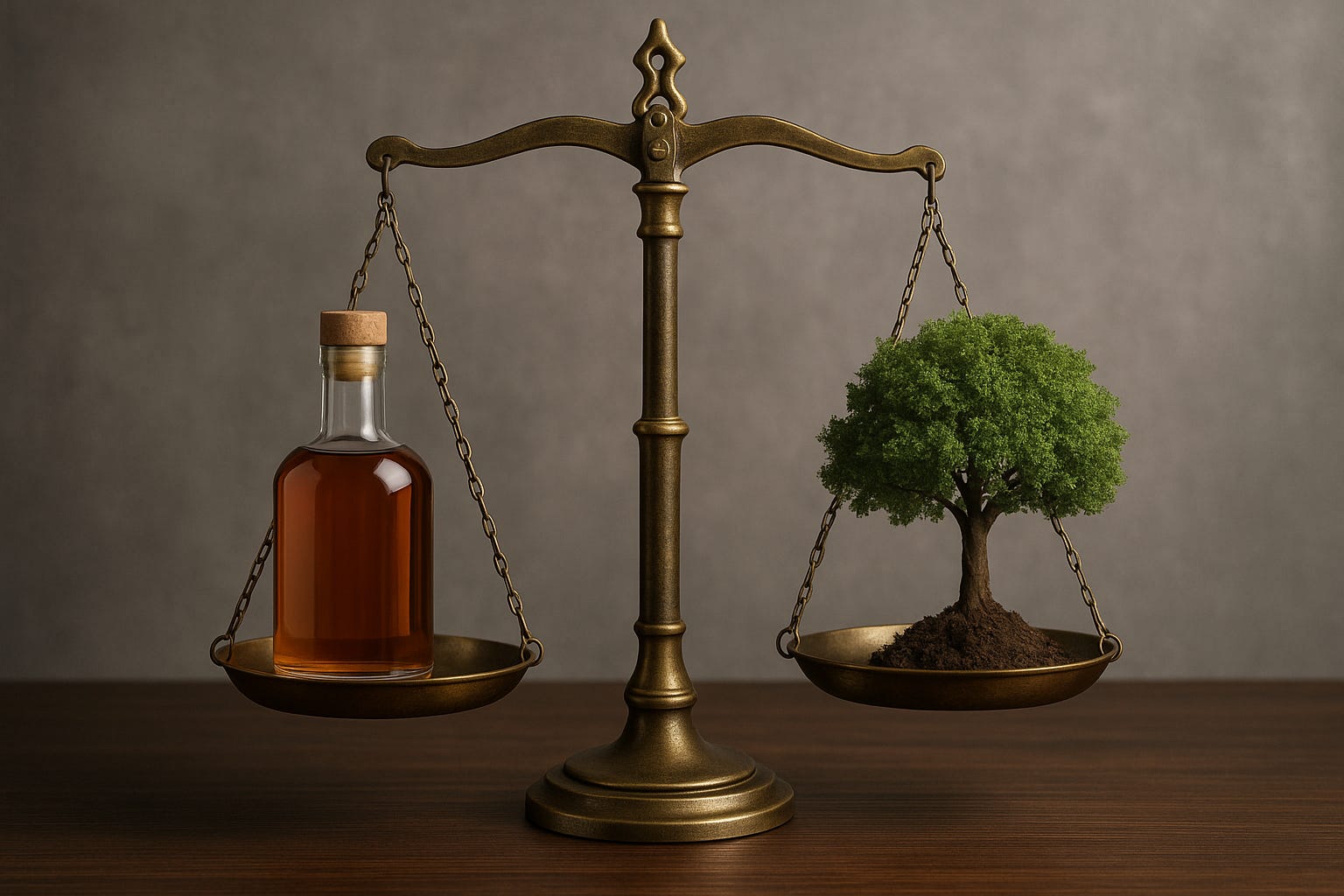
New Rule 1: Your drink is a moral signal, not just a flavor.
Legacy brands that still sell pure escapism are speaking to a world that no longer exists.
2. Functional drinks are lonely, tables are not
Jasmine draws a sharp line between functional beverages and alcohol:
“A lot of these functional drinks are very solitary. They are about replenishing whatever or fitting into whatever ideology you have about your body.”
Functional drinks serve the self. They reinforce a wellness loop, a belief system, an identity.
Alcohol has always lived elsewhere. It has been about connection or, at the extreme, escape. But assuming it will naturally reclaim that role is wishful thinking.
Every Friday night at my Shabbat dinner table, my husband blesses the wine or grape juice and we all say amen and take a sip. This moment is not about optimization. It is about connection, grounding, and return. If I were alone, I may still make the blessing, but it would be kind of depressing if I’m honest. That’s what wine represents to me: connection. It would be hard to say the same thing about a protein soda.
New Rule 2: Decide if you are building for the self or for the table, then commit.
If your product belongs at a table, build around shared experience. Connection is its own form of growth.
3. The return to the body
Jasmine zooms out to the deeper currents behind this moralization:
“When the FDA opened comments for the word natural, people kept bringing up God. What God would have intended. Food became moralized long before people noticed.”
That moral language never disappeared. It simply shifted into clean versus toxic and good versus bad. Today, every drink is now a moral expression.
“The body is kind of the last moral landscape remaining.”
When everything else feels unstable (the world today, but especially the world today with the 24-hour instant news cycle), people try to control what goes into their body. That becomes the place where they can literally ingest the virtue they seek to uphold.
But right now - end of 2025 - there’s a new cultural shift happening, and we can see it everywhere: People want to feel something real. And they want it to be intense.
I read 2012: The Return of Quetzalcoatl by Daniel Pinchbeck when I was 19, and back then Ayahuasca was an OUT THERE idea. It felt otherworldly. I was completely fascinated and utterly terrified. It’s wild to see how much that has shifted—psychedelics are just one of many formerly taboo or fringe things that we see absolutely everywhere, alongside cold plunges, breathwork, dark romantasy, giant soundbaths, etc.
“There is a lot of technology for monitoring your body that actually disconnects you from your body,” she said. So people chase intensity. And “the return to the body will not be gentle.”
People want potency. They want experience. They want to feel alive. The optimization fatigue is getting real.
New Rule 3: Give people something they can feel.
4. Permission and the end of the mainstream
Jasmine, who coined “the age of potency” to describe where culture is right now, ties potency to permission - what a space lets you feel, do, or become.
If potency is the goal, permission is the lever. People seek out spaces that let them behave in ways everyday life does not. These are spaces where you can loosen up and show a part of yourself that usually stays quiet.
This search for permission is part of a larger cultural shift. There is no single mainstream anymore. The idea of a “mass market brand” is becoming obsolete. People live in micro worlds, scenes, and niche communities that shape how they view the world. Then the algorithm targets them with more content re-enforcing their niche views.
“Everything is a bubble now.”
When there is no center to belong to, people look for spaces where the expectations shift and they can show up more fully. People are asking, “What does this space make possible?” more than “Does it look cool?”
New Rule 4: Build spaces that give people room to be more of themselves.
5. The table still matters
Throughout the conversation, I kept returning to something simple. People still want to sit together. They want to talk, share, and connect in ways that do not require an audience or a feed.
Jasmine agrees, and adds something important:
“You just have to rethink what connection looks like. That is the difference.”
The need is not disappearing, but what it looks like is shifting. A couple of months ago I drove down a street in my hometown on a Saturday night. That street - Broadripple Ave. - used to be covered in clubs and bars that were packed on the weekends. It was really quiet, and it was wild to see.
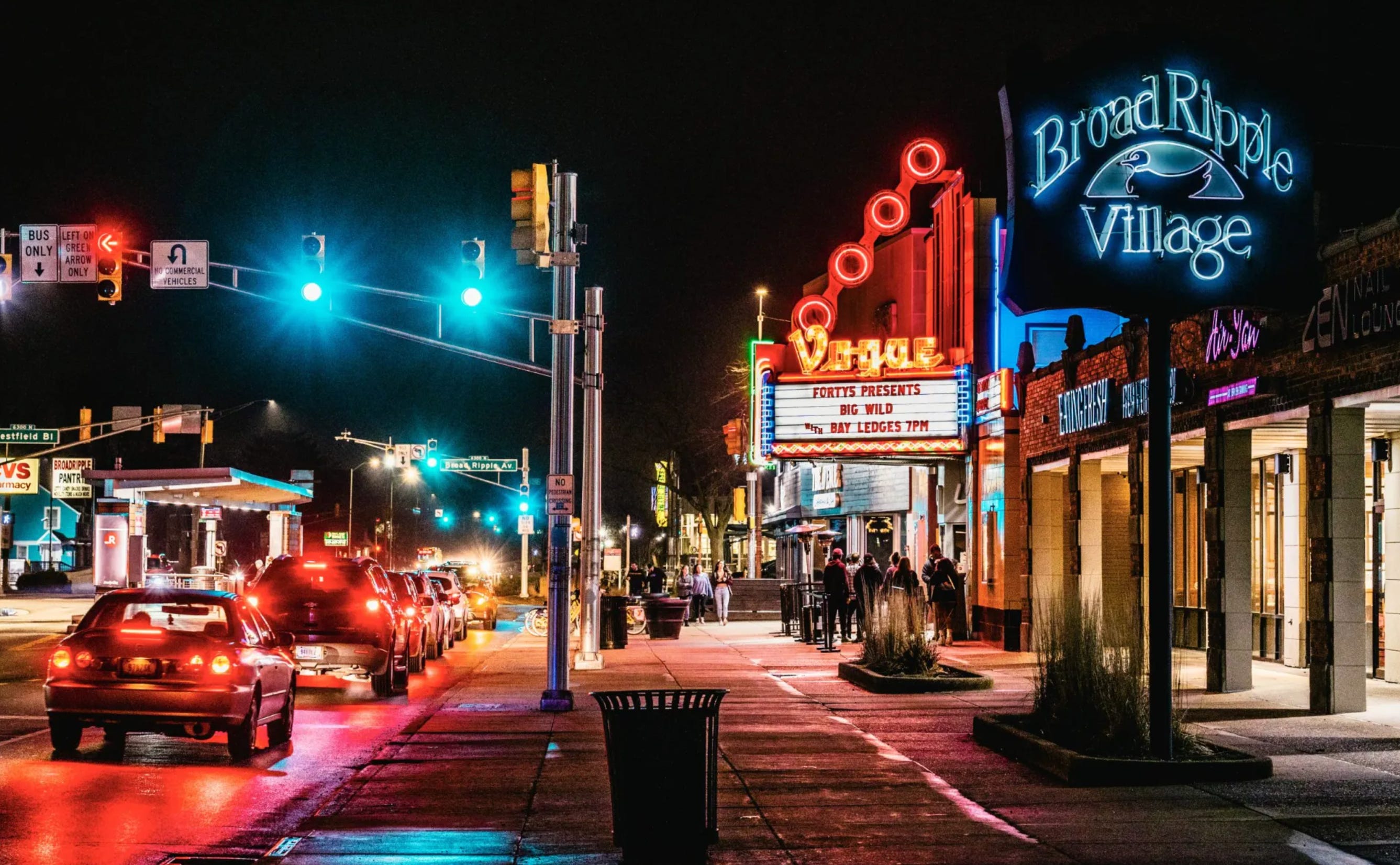
We are entering this “Age of Potency,” as Jasmine calls it, where people want experiences that feel alive and grounded. Wasted nights we don’t remember may simply not be as appealing as they once were. In fact, we want to remember. That’s the whole point. We want to be here, in our bodies, and with the people around us.
Alcohol doesn’t have to be about escape. It can be about something else entirely—connection, flavor, savoring the moment, laughter, memory, exploration.
New Rule 5: Alcohol has to earn its place in the body and at the table. It’s no longer a given.
(The brands that take that nuance seriously will shape the next decade.)
For founders: build a brand that leads, not reacts
Here is the distilled takeaway for anyone building in beverage today. As Jasmine puts it:
“Find the desires people have but have no place to express yet.”
Brands that succeed do not chase trends. They create containers for emotions, behaviors, and identities that do not yet have a home.
The question becomes:
What does your brand let people express that they cannot express anywhere else?
For more from Jasmine Bina, including her work on invisible culture and the future of brands, head to Concept Bureau or her Substack.
this is really solid; part of what excites me most about the mass proliferation of THC drinks at bars (you’re welllllcome) is that it allows us to expand the surface-of-occasion for consideration beyond alcohol.
like it turns out the whole “weed is for your couch” thing is largely driven by not previously in history having the beverage form factor for THC, let alone in mild potency, let alone available at regular ass bars/resties/pool parties.
and thus Groovewagon thrives in our new era.