


Let this sink in: one in four Gen Z Americans identifies as Hispanic or Latino (PEW).
The cultural center of gravity is shifting in real time. We’re no longer talking about Shakira singing in English -- this is something else. This is a shift from Latino creativity borrowing from the mainstream to it being the mainstream.
But in beverage and alcohol, most brands are still talking to this audience instead of from it.
Casalú changes that.
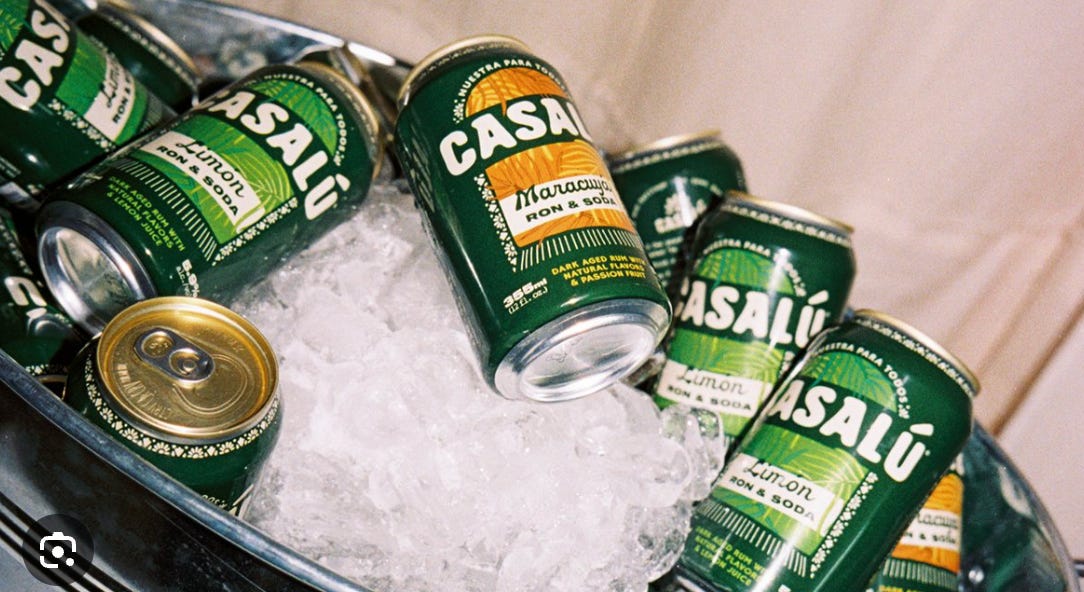
Founded by Gabriel González and Ricardo Sucre, Casalú is a Spanish-first, rum-based (rum is back…) RTD brand that speaks straight from within its own culture, no translations. Something I found really interesting about Casalú is that it’s not a “heritage brand.” It isn’t reviving an old recipe. They made something new that’s still Latino (aka things don’t have to be some kind of cultural heritage to be authentic and cool).
PSA! Being authentic resonates
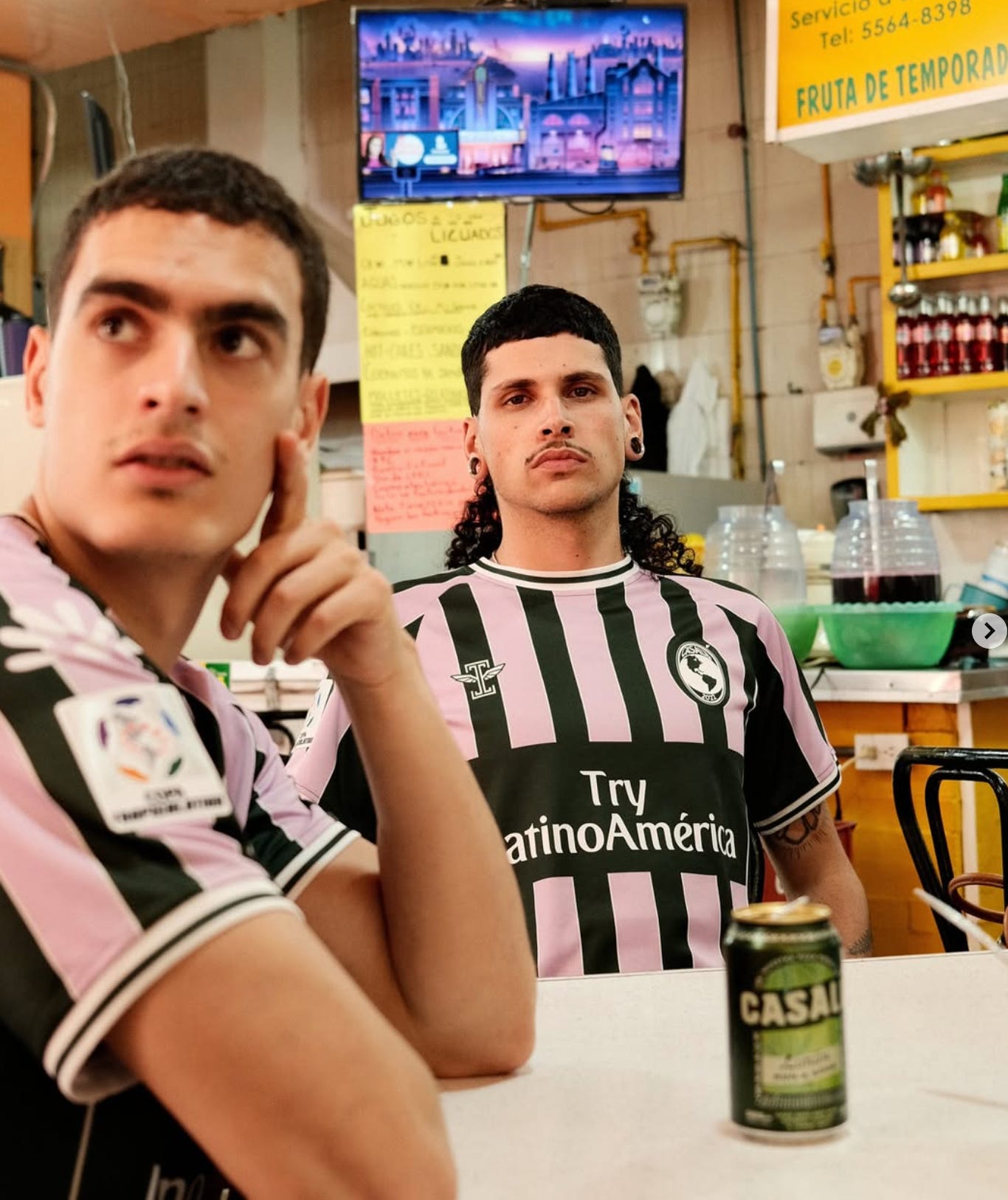
Casalú didn’t start as a flavor/product exercise. It started with a why:
“We really believe the next Red Bull is going to be Latino. This is our chance to take a stab at that.” - Gabriel González
For founders Gabriel González and Ricardo, the thesis is simple: being authentically Latino isn’t a niche. It’s a global language. Their goal isn’t “Latinos for Latinos,” it’s that being authentically Latino resonates with the rest of the world.
Language as strategy
One of the first things I noticed about Casalú’s socials is many of their posts are straight-up Spanish with no translation. This struck me as incredibly badass.
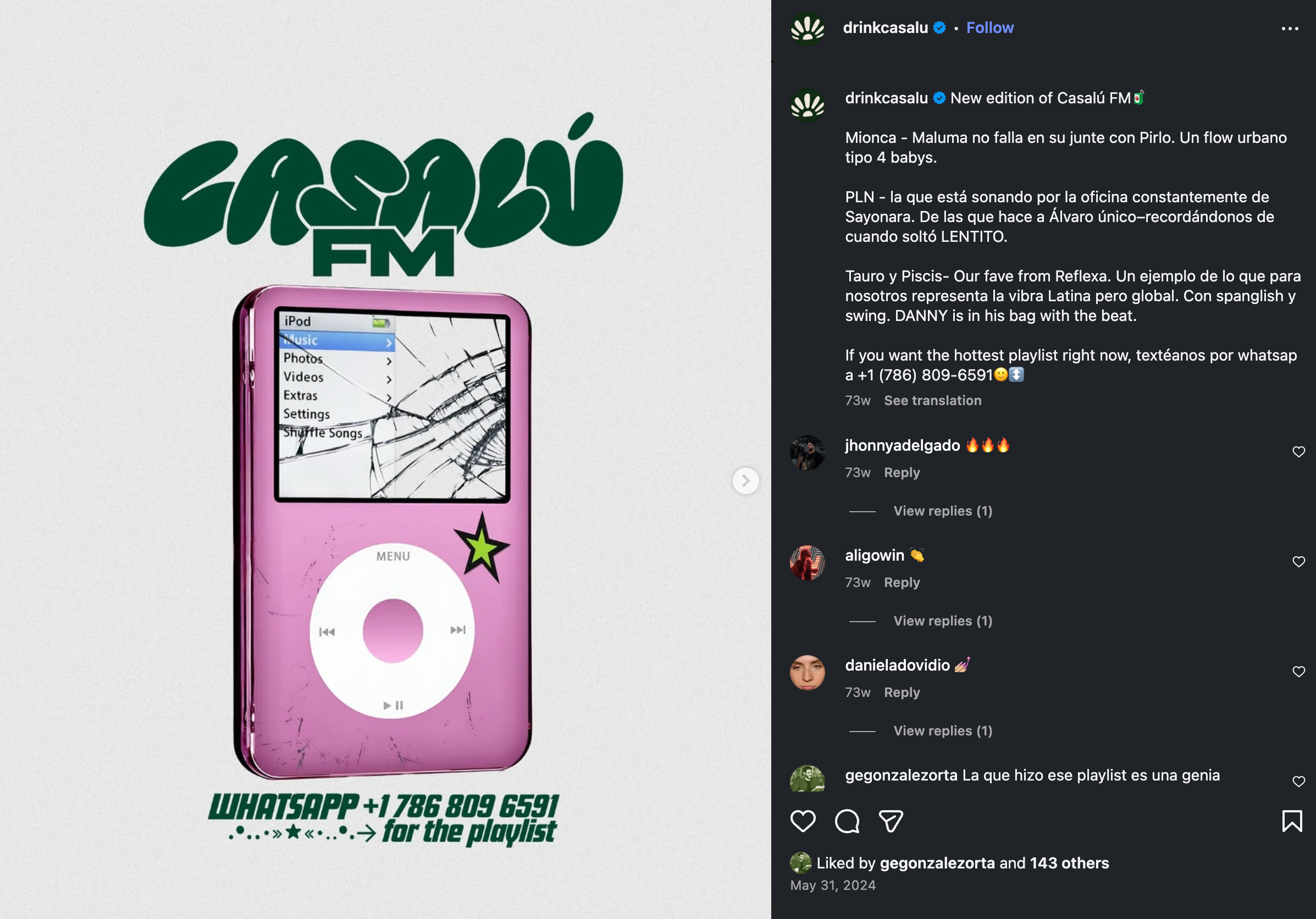
I did not feel alienated by all this Spanish, I felt like I was peeking into this cool world I wanted to know more about. So many big brands treat Spanish as translation or garnish, but Casalú goes all in.
Hear why and how they do it:
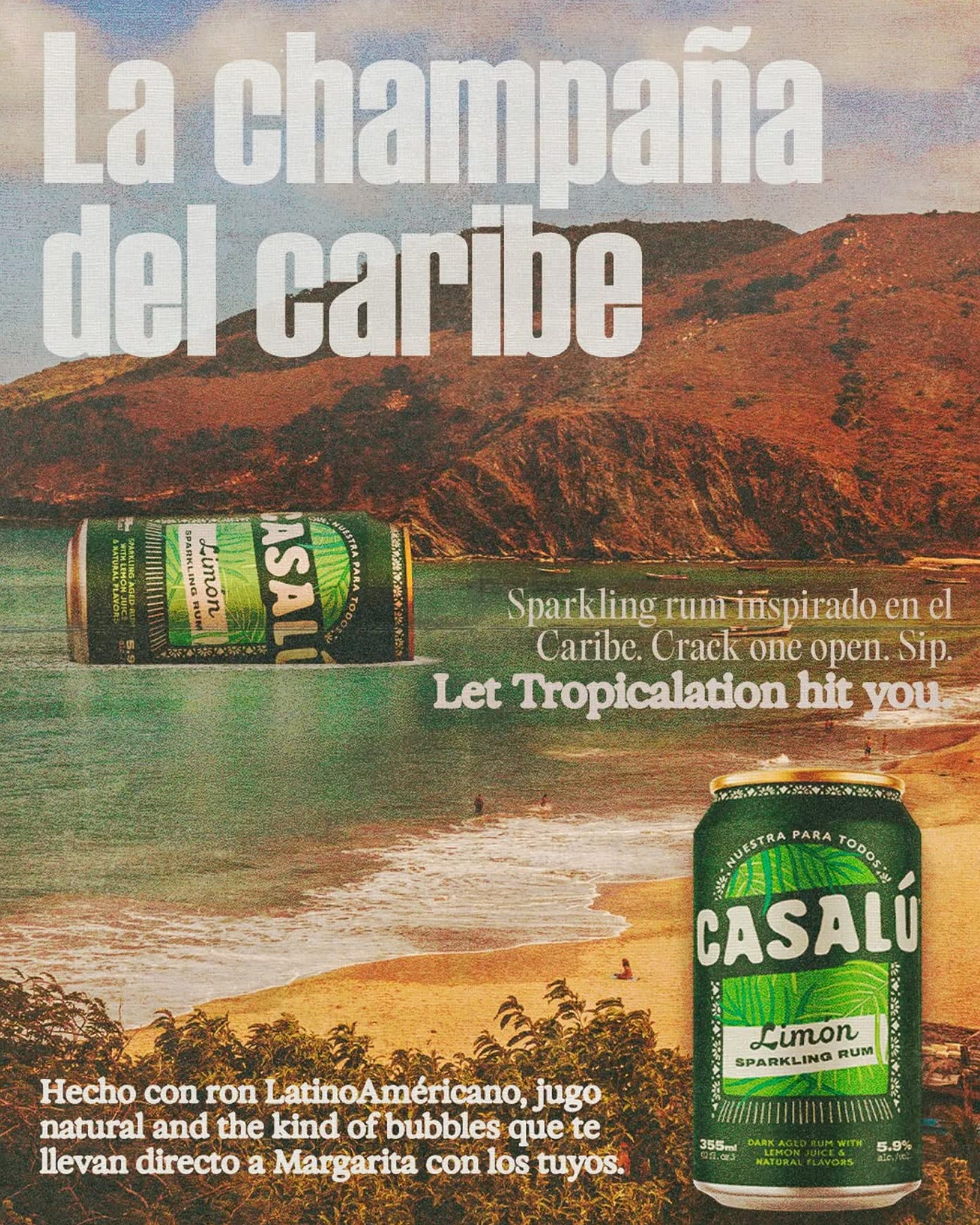
New Rule: If your audience speaks two languages, your brand can too, without apologizing.
Culture > category
Casalú applies a simple filter to every move: does it resonate across music, fashion, film, and food? This mirrors how global Latin culture actually travels today, from Benito’s stadiums to abuela’s table.
“We can be in the rooms and also be able to go back home with our grandmothers and be who we really are. It’s both, the duality of who we really are.” - GG
They call the target “Vogue Latinos”: people who are equally at home at a Paris runway and a Sunday street barbecue. Its the high and low. The designer and thrift. The tension between high culture and real life in the neighborhood with family and friends.
New Rule: Build for dual belonging. Your consumer moves between worlds; let your brand move with them.
Product: A vibe you can drink
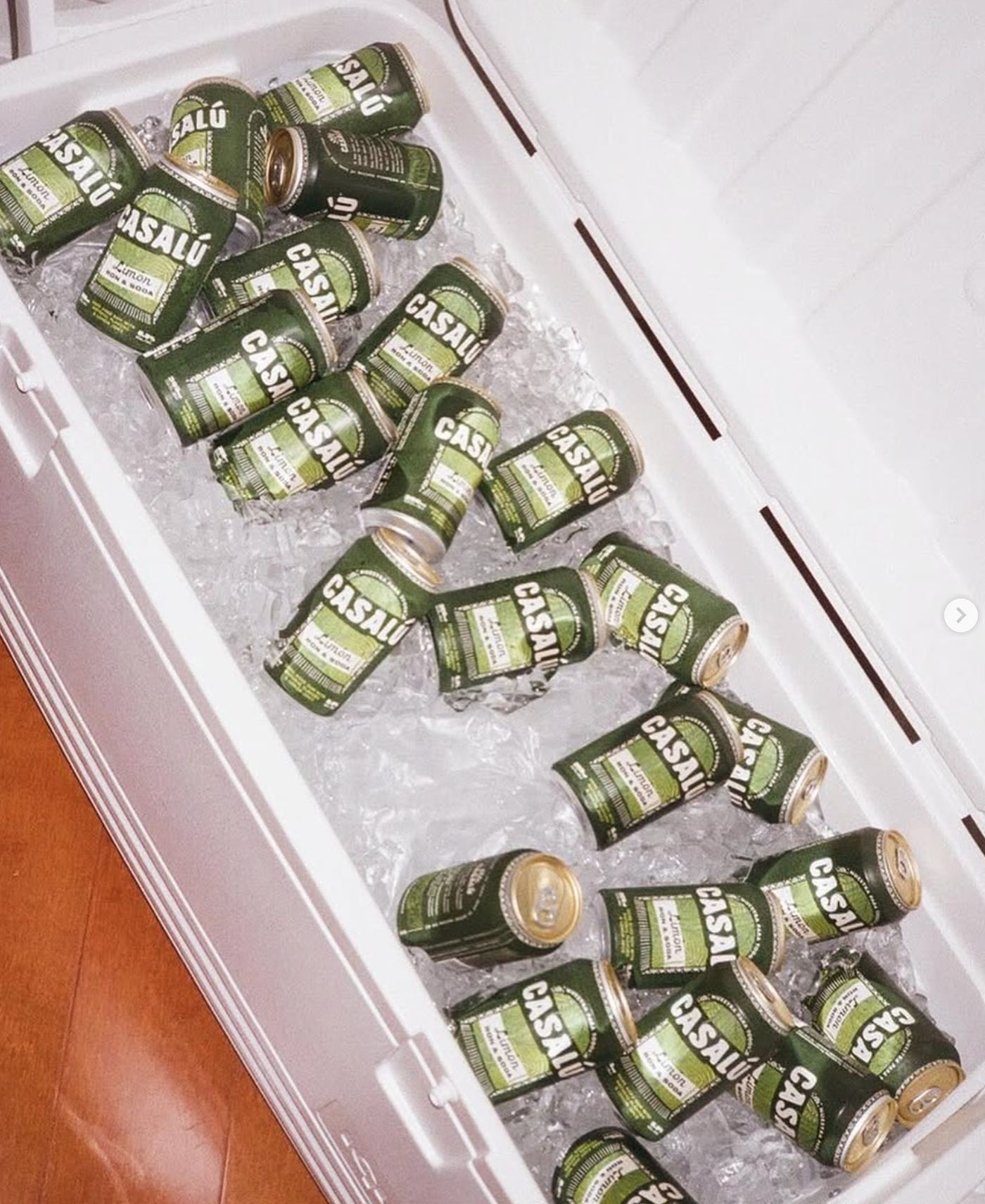
Casalú isn’t a classic cocktail in a can. It’s a lighter, chill rum-based drink (5.9% ABV) born from a really simple hack:
“During the pandemic he [co-founder Ricardo] discovered High Noon, White Claw, and was like, ‘Oh, for someone who does not like beer necessarily but loves beer moments, there is something else I can drink that is not a straight-up cocktail.’ … That personal pain point became an insight.” GG
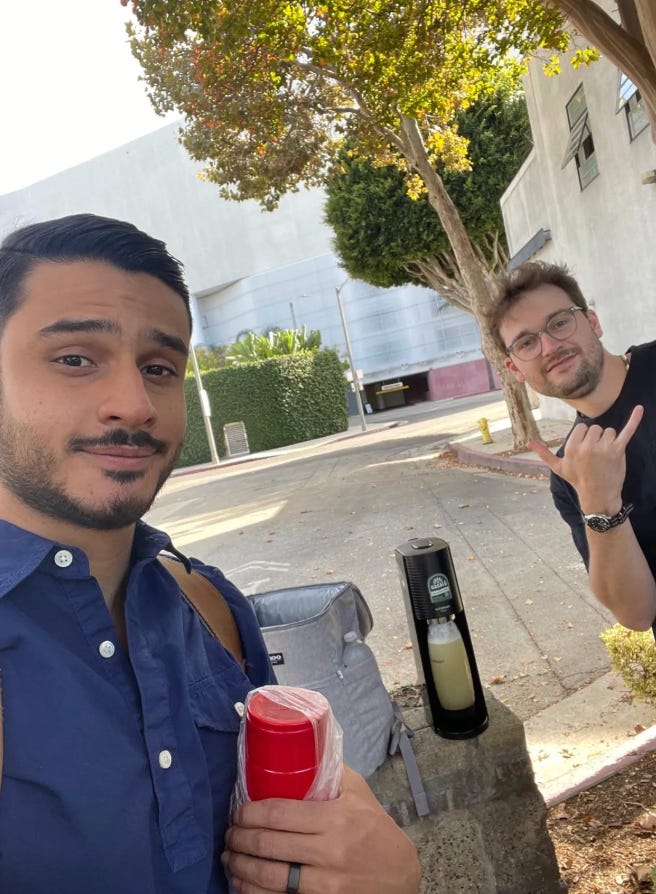
“He [co-founder Ricardo] went to Target, bought a SodaStream and started pumping at his house, water, dark aged rum, because it’s what we drink typically in Venezuela, and put lemon juice. And it was that sort of when you graduate from rum and coke moment.” GG
Go-to-market: start where culture is dense
Casalú launched in Miami, the hardest possible market (oversaturated, ruthless, etc.). A Latin-dense city with sharp taste and endless noise, it was definitely the perfect stress test.
What I love most is how they found product market fit: The founders skipped traditional marketing, showed up at parties with kegs, and let real people shape the product. To stand out to buyers, they sent burned CDs instead of sell sheets, complete with a custom intro track and 23 reggaeton songs that told Casalú’s story through sound.
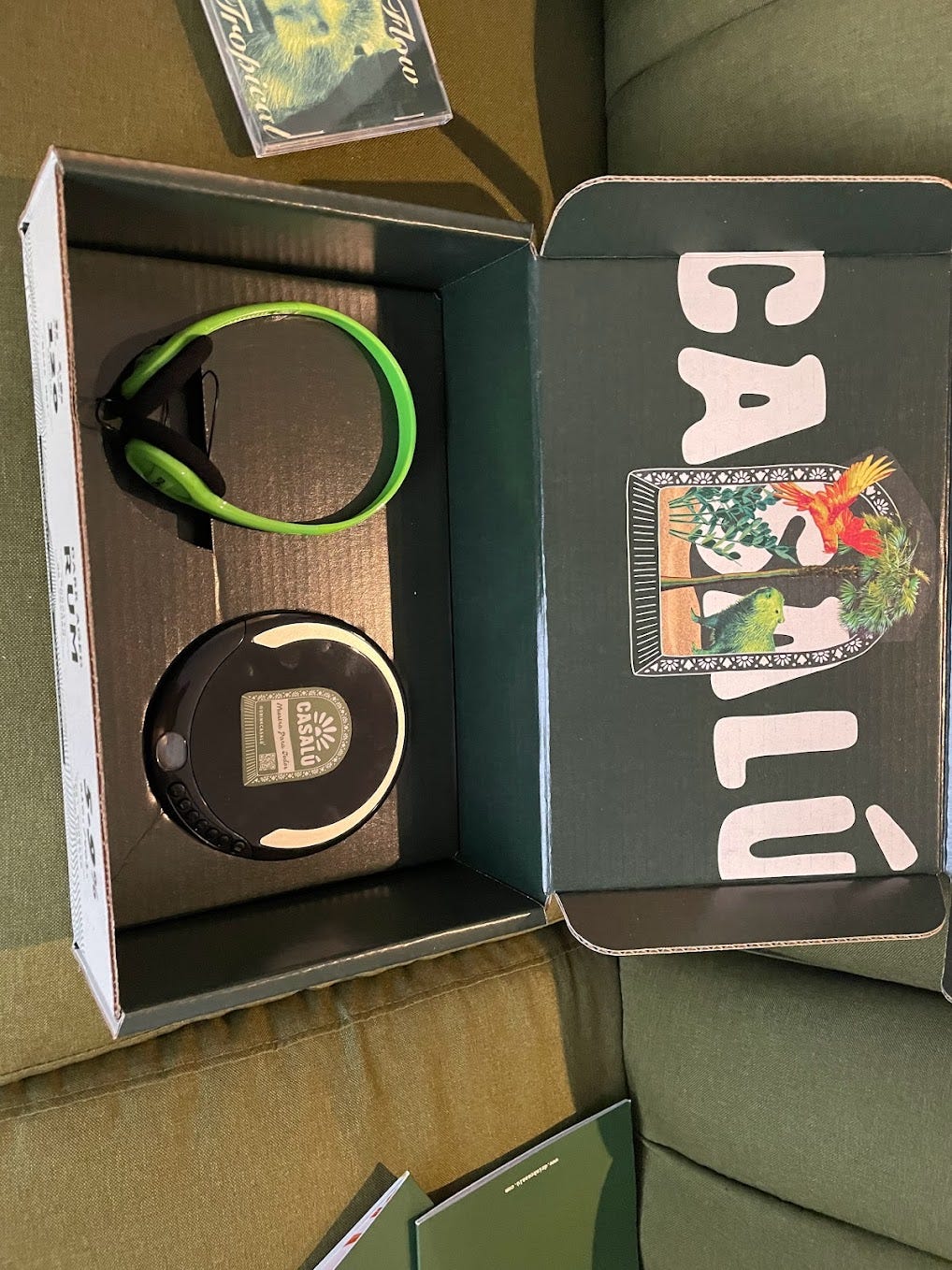
That mix landed on the desk of a Total Wine executive who loved it enough to put them on shelves.
What matters for brand builders:
Use scrappy prototypes (SodaStream, parties, kegs) to collect real-world taste data.
Let events pressure-test flavor roadmap.
What legacy brands get wrong about the Latino market
But what about cultural appropriation? Wouldn’t it be inappropriate for brands to speak directly to (or from) the Latino world if they are not authentically Latino themselves? This is a really interesting question. My typical answer: I’m not sure, it depends, it’s delicate, etc.
Gabriel had a more straightforward answer, which I loved:
“The biggest opportunity in alcohol — and in consumer — is being overlooked. One in every four Gen Z Americans identifies as Latino. That’s insane.”
Casalú is building cultural infrastructure. That’s something valuable we can all tap into. In a market still catching up to its audience, this brand’s fluency in language, creativity, and community is the product.
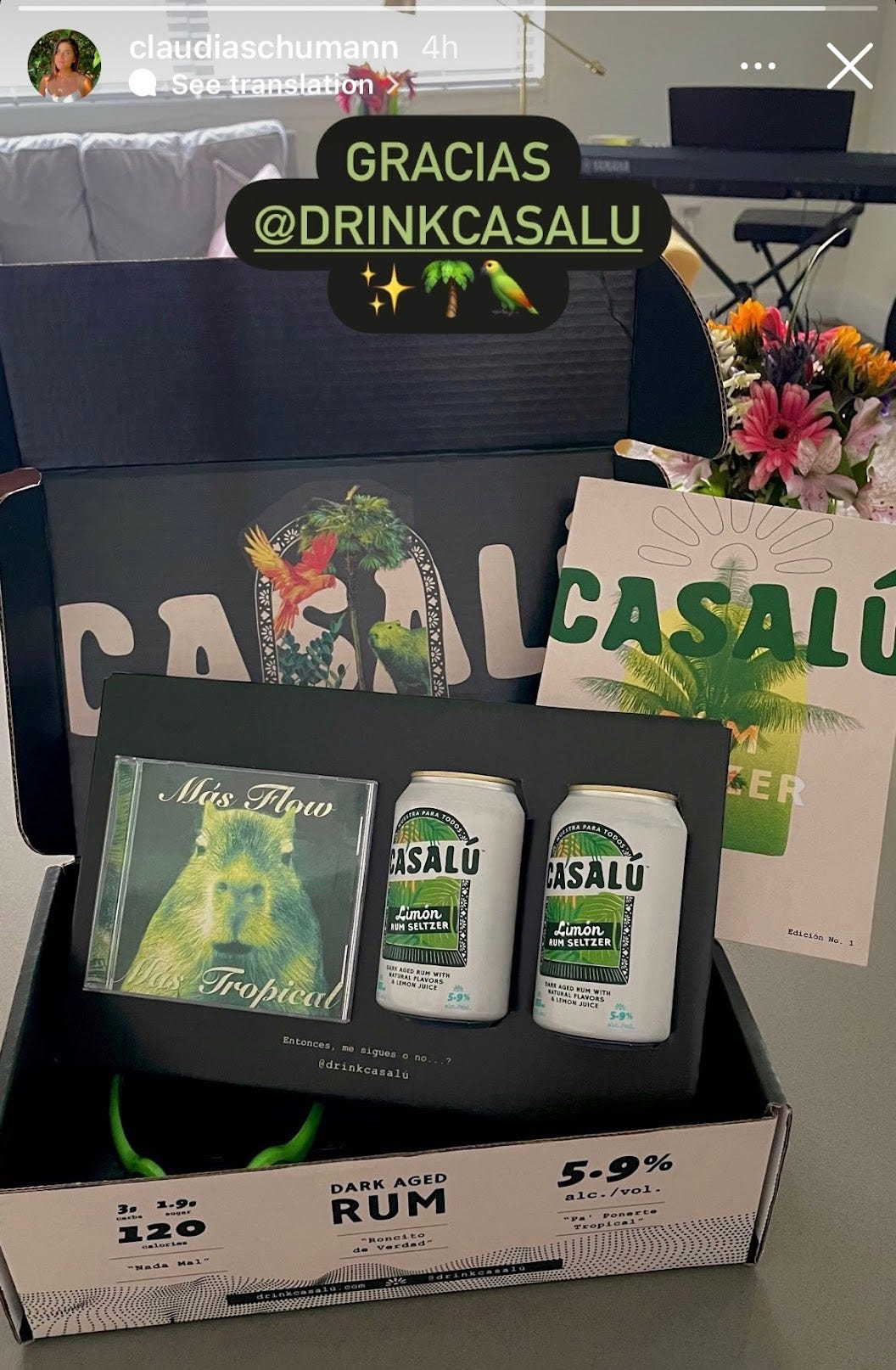
As ONE IN FOUR Gen Z Americans claims Latino identity, Casalú’s rum RTD may be defining what mainstream means next.
first brand dive here in a minute i truly fuck with. fuego fuego fuego