


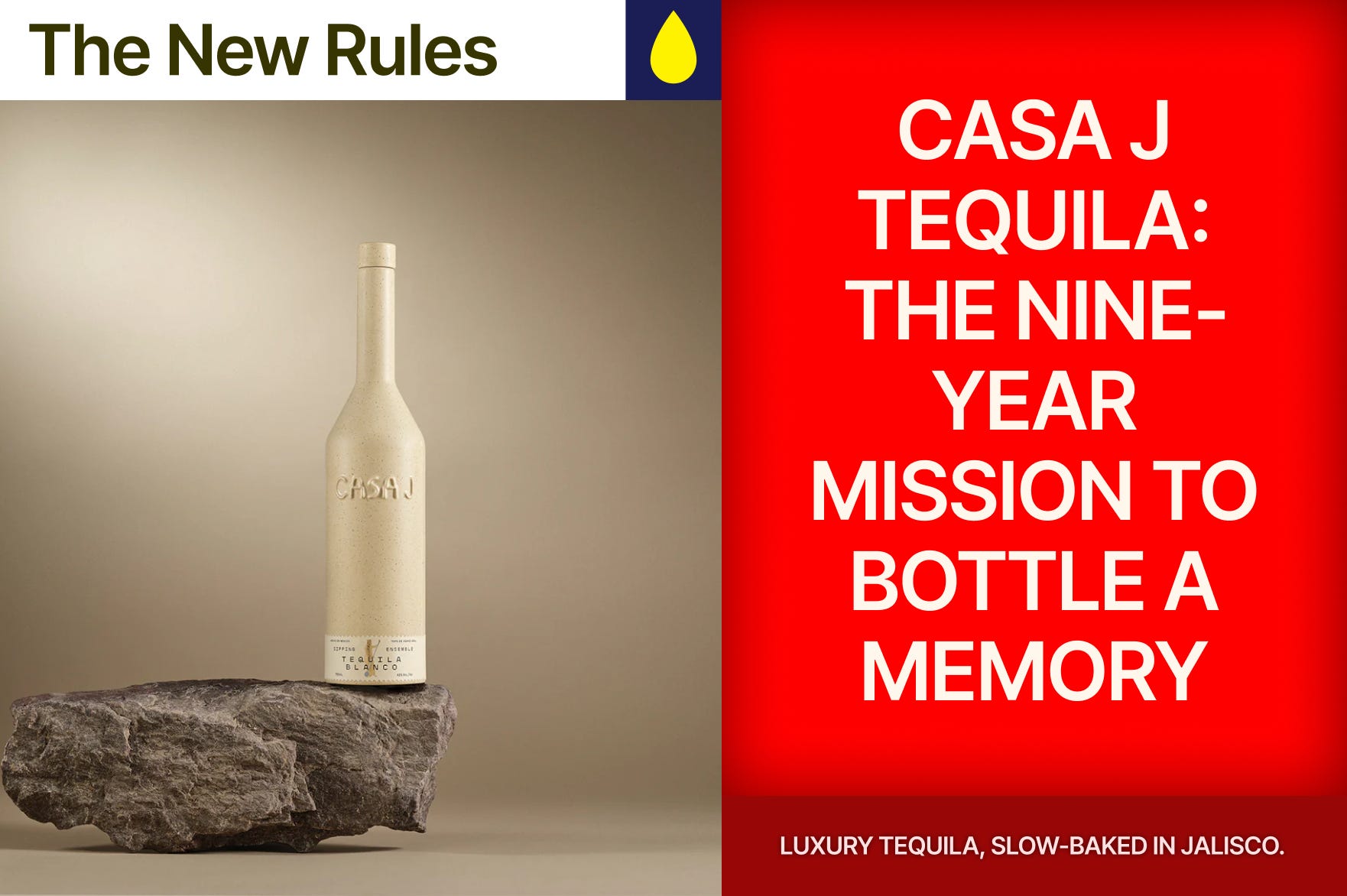
In the crowded landscape of modern tequila, where premiumization has shifted the focus from hype to producer-led craftsmanship, building something that truly stands out is a feat. So many brands start with a formula and look for a story. Sofía Paloma Juárez did the opposite.
She spent nine years building CASA J. It is a project rooted in heritage, meticulous R&D, and the simple desire to bottle a memory. It’s also beautiful.
The road to tequila
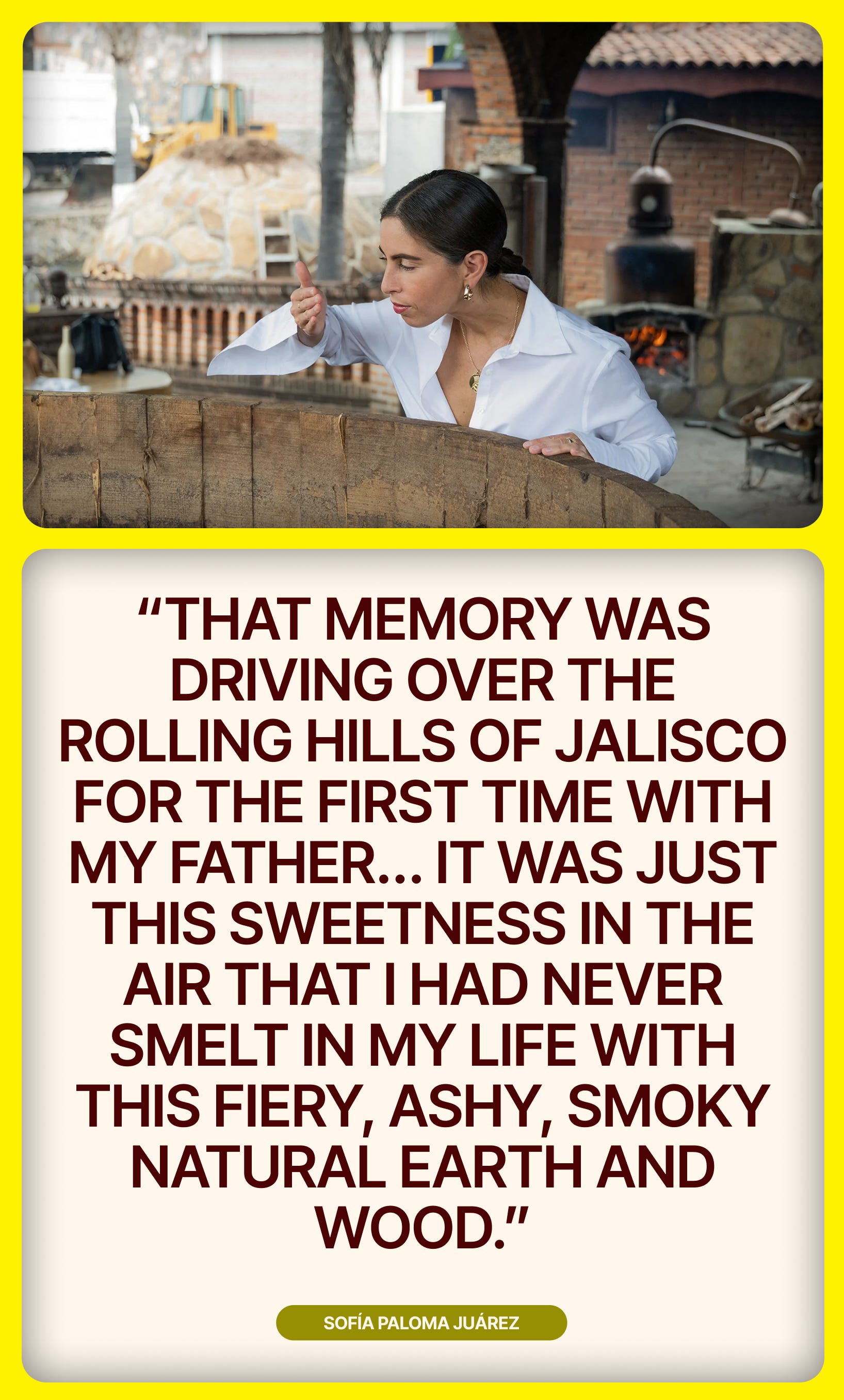
The story of CASA J begins in Jalisco, Mexico. “I wanted to bottle a memory,” says Juárez, who nine years ago reconnected with her dad, a native of the region.
“That memory was driving over the rolling hills of Jalisco for the first time with my father... it was a sweetness in the air that I had never smelt in my life with this fiery, ashy, smoky natural earth and wood.”
Coming from a high-level background in luxury brand building, including stints at Veuve Clicquot and Belvedere, Juárez understood that a great story is not enough. You need the liquid to back it up. She spent years visiting distilleries and building relationships with maestros tequileros before ever going to market.
Something that struck me about this interview with Sofia is just how clearly she has articulated her story. Its tight. I mean, really tight.
The ensemble innovation: old world meets new
While the tequila industry is flooded, CASA J is carving out a niche as an ensemble – a term traditionally used in the world of mezcal to refer to different agave species being distilled together.
CASA J uses an ensemble of traditional and ancestral production techniques. This is a rare technical achievement in the tequila space, utilizing a blend of 93% traditional production and 7% ancestral methods.
The ancestral soul: The 7% ancestral portion is the brand’s soul, cooked in stone and adobe ovens over wood fire, hand-macerated in hollowed tree trunks, and distilled in copper stills over direct flame.
The traditional foundation: The 93% traditional portion provides balance, using stone brick ovens, roller mill maceration, and stainless steel distillation with copper coils.
“It’s a marriage of both old world and new world,” Juárez explains. “We wanted to bridge the old, be inspired by the historic, but be a contemporary brand that would be lasting and future-proof.”
A vessel with purpose
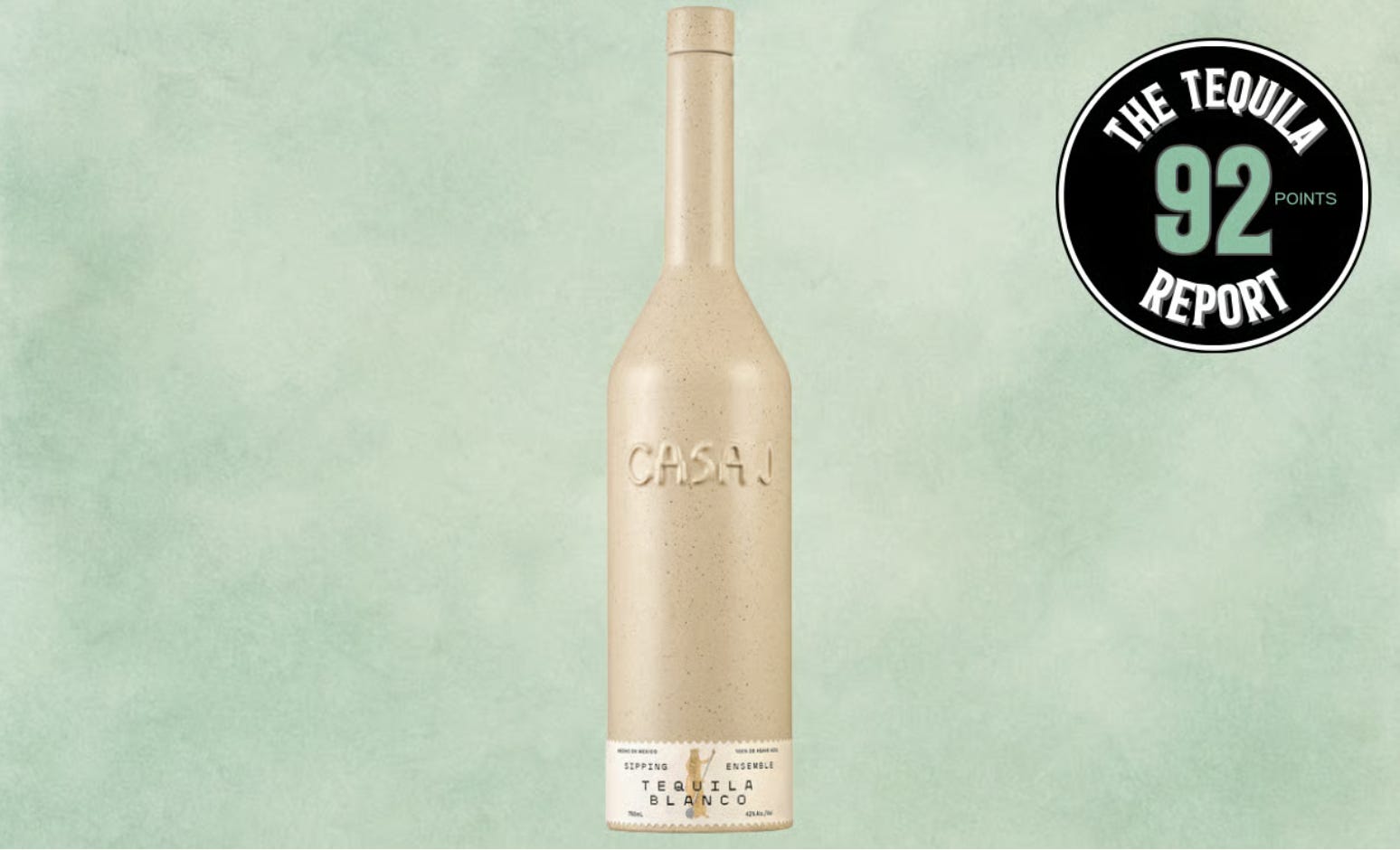
Juárez knew that in a crowded spirits market, the bottle needed to be as intentional as the liquid. She wanted a design that bridged historic Mexican architecture with a contemporary, contemporary aesthetic.
To realize this, she partnered with John Gilsenan of IWANT Design, whose work for other female-helmed brands like Wölfer Estate Vineyards and H&H Talea Beer had already earned her admiration.
The resulting ceramic vessel reflects a deeper mission: empowering Mexican artisans. Juárez spent years identifying a ceramic factory in Pachuca, Hidalgo, that shared her values, specifically one that empowers working mothers with flexible schedules and provides full-time roles for individuals with disabilities.
Every bottle is handcrafted by these artisans using natural raw materials, turning the packaging into a tangible commitment to the community behind the brand.
The case for ultra-premium
CASA J enters the market at an SRP of $129, a price point that positions it firmly in the luxury category. In an era where consumers are trading up for products with authentic connections to heritage and additive-free status, Juárez is betting on the intelligent, educated consumer.
Currently, the brand is available throughout New York State and via their website, where they ship to over 40 US states. Despite being in the early stages of distribution, the brand has already caught the attention of experts. Without paying for a single placement, CASA J has secured incredible organic press, including a 92-point score from the Tequila Report and recognition from Agave Matchmaker and Taste Tequila as one of the best spirits of 2026.
“Consumers are now becoming highly intelligent on this spirit,” she says. “It is not something that brands should hide, their production method, but rather be very frank to the consumer about.”
By focusing on the “additive-free” movement and the superior quality of her ensemble production, Juárez is justifying that premium price not through marketing gloss, but through transparency and integrity.
Her thesis is that when you have a story that is authentic paired with a high-quality product, aligned consumers will gravitate towards it.
What’s working?
CASA J just launched. Already, sales are split 50/50 between on-premise and retail, with a strong focus on face-to-face connection. Juárez is a regular at her own tastings, meeting the skeptics who have been “ruined by tequila” in their past and proving that the spirit can be a refined, high-integrity experience.
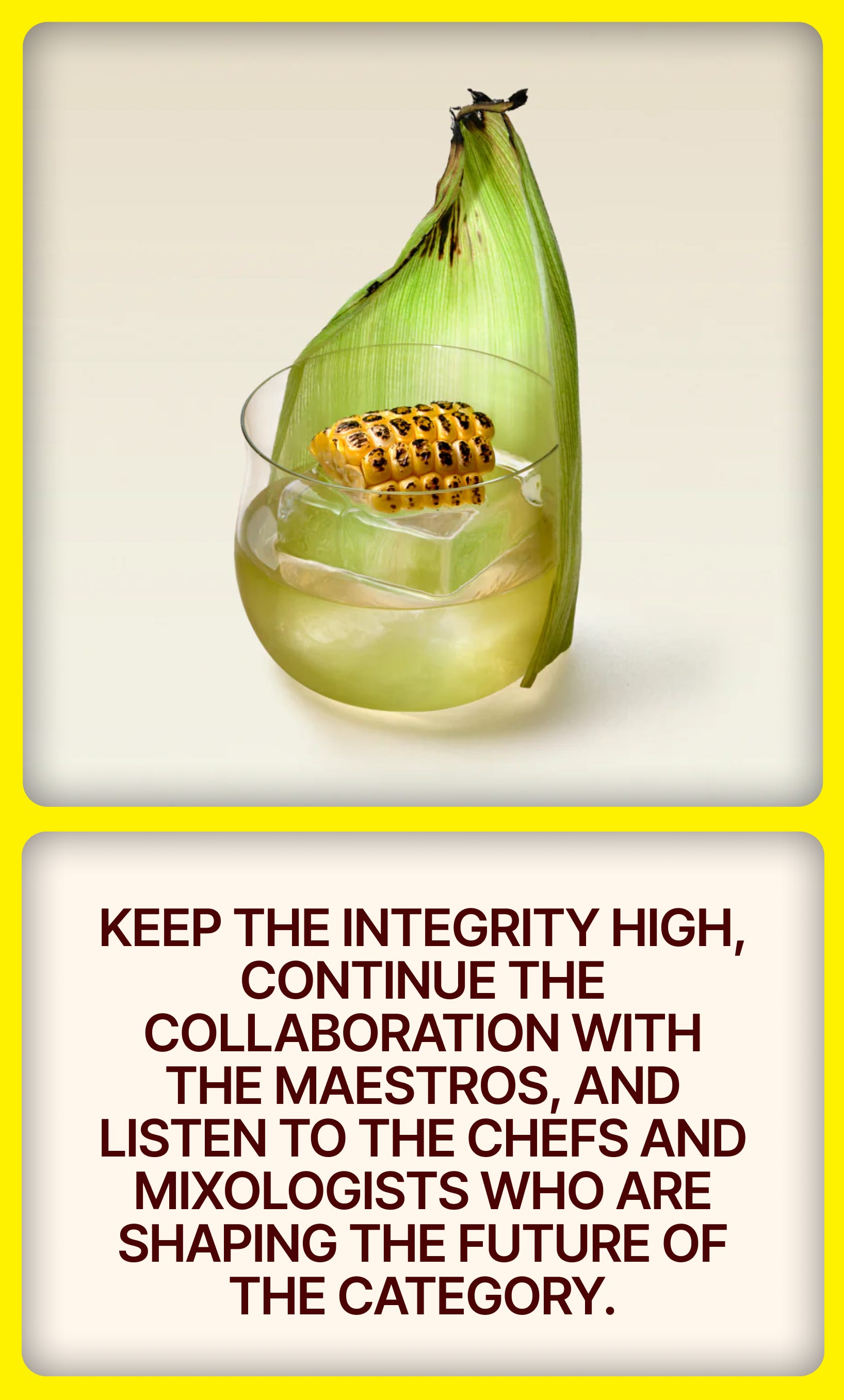
For the next five years, the focus is simple: keep the integrity high, continue crafting with the maestros, and collaborate with the chefs and mixologists who are shaping the future of the category.
There’s a patience in Sofia’s approach I found incredibly refreshing. With trends constantly shifting, and the spirits market in serious flux, I see a lot of “rush to market” and “rush to prove” and “rush rush rush” all around. Sofia isn’t bending to that. She’s taking her time to do it right.
In New Rules tradition we asked:
What’s the brutal truth you’ve learned about building a bev/alc brand?
“It is not as simple as doing business here in the United States for many reasons. I had many agreements that fell through and distilleries that changed their process. You have to be incredibly patient. But if you have that high level of integrity and you really take the time to build authentic relationships, it pays off.”
Is there anything you would do differently or tell other founders to do differently?
“I would tell them to trust the process of discovery. I spent nine years doing R&D and community building. It might have felt like a long time, but it ensured that when we launched in early 2026, we were not just another brand. We were a product with a soul.”

THE NEW RULE
Innovation is not always about creating something brand new. Sometimes, it’s about having the patience to honor an old-world tradition, finding the right partners who share your values, and refusing to cut corners just to get to market faster.
Thank you for this thoughtful piece on the origin, purpose and ethos of CASA J Tequila 🙏🏽✨🥂