


This is an excerpt from our 2026 Report: The New Rules of Brand Building in Bev/Alc. It’s our most comprehensive look at the industry yet. And it’s free to download HERE.
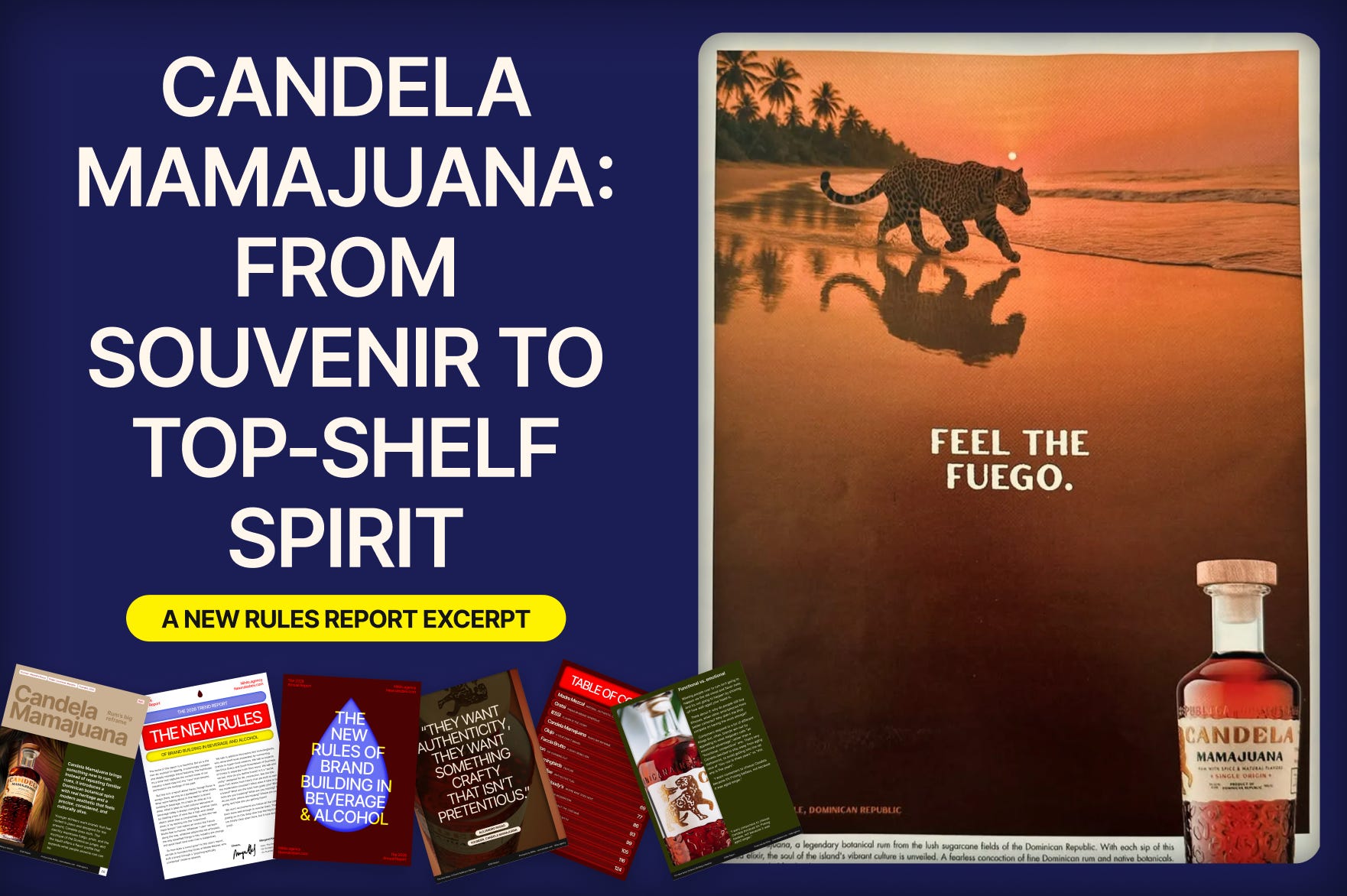
Candela Mamajuana brings something new to rum. Instead of repeating familiar cues, it introduces a Dominican botanical spirit with real heritage and a modern aesthetic that feels precise, considered, and culturally alive.
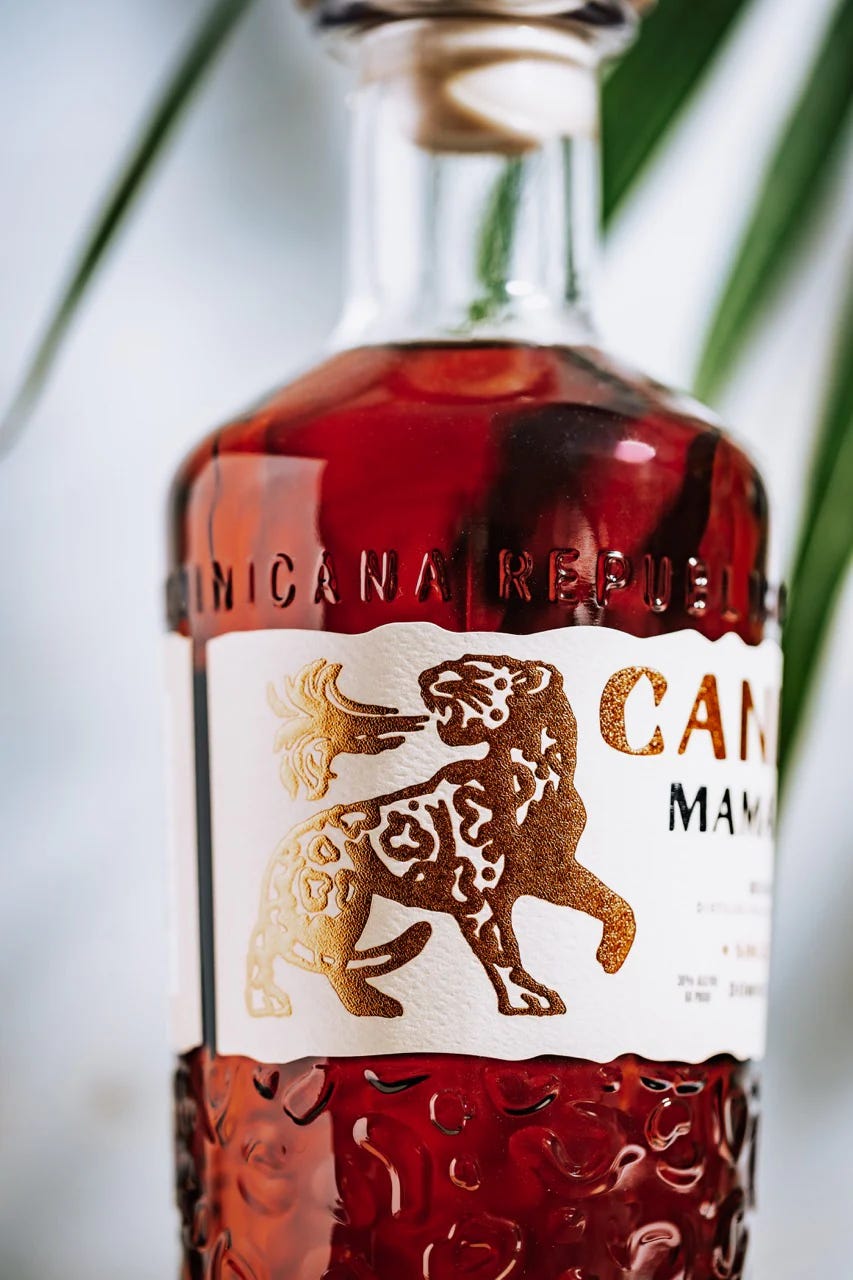
Younger drinkers want brands that feel rooted in place and designed for the present; Candela does both. The identity expresses fuego, pride, and the mystique of the Dominican jungle, and the liquid offers a flavor profile that expands what people assume rum can be.
Rum really needs a rethink
Tequila, mezcal and ready-to-drink brands have been a major focus over the past ten years. But rum has evolved more slowly. “It got left behind, and the top brands are still living in the worlds of pirates, sea monsters or patriarch founders,” says Candela Mamajuana founder Alejandro Russo. “Where is the cool, modern rum brand? What rum brand is going to get new consumers who are just learning how to drink excited about rum?”
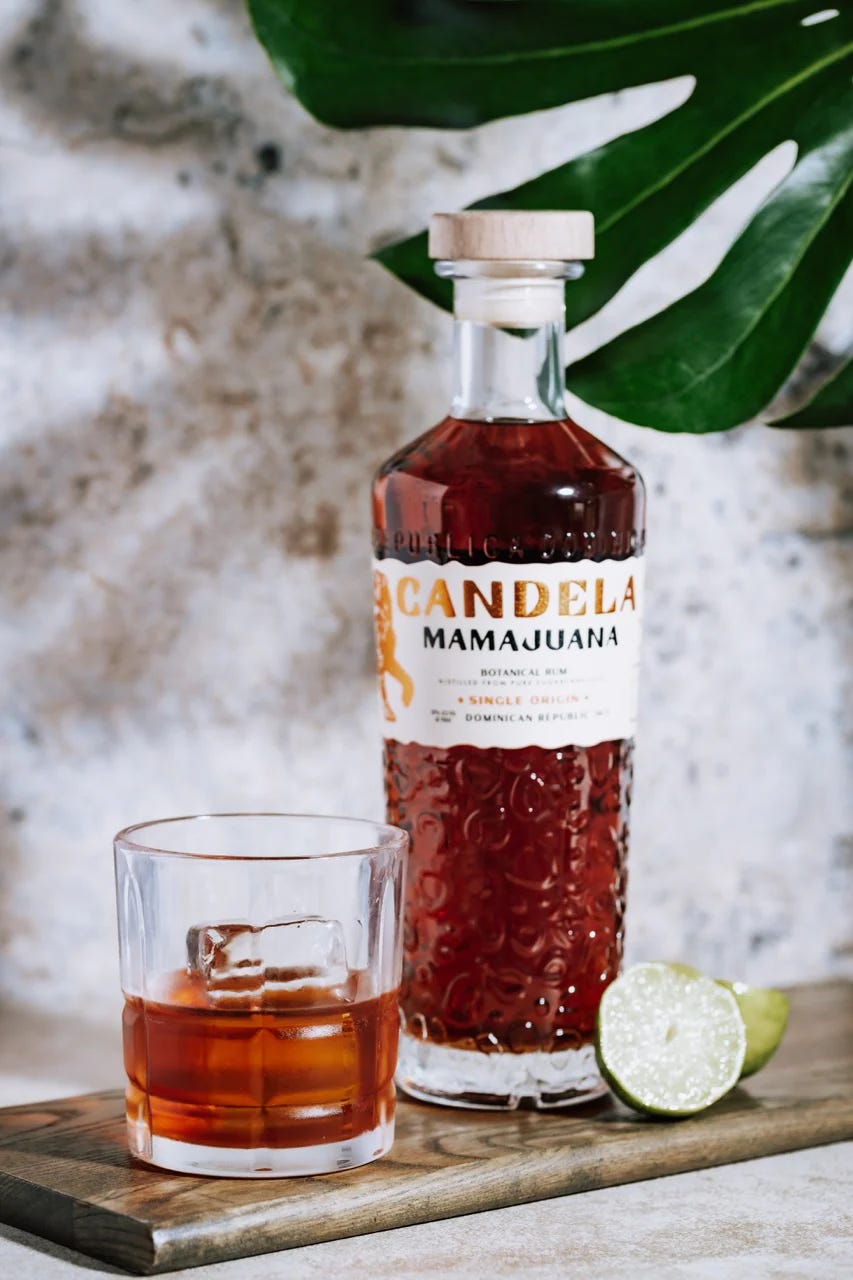
Alejandro is in the business of changing that. Instead of all the old symbolic cues and all the old traditions that paint it as a simple mixer that goes with your Coke, Candela Mamajuana positions rum as a premium, botanical spirit. It’s aromatic, it’s earthy, it’s layered, and it’s easy to enjoy neat.
You have to frame tradition
Mamajuana is the name for a concoction of rum and honey that’s infused with bark and herbs. It has quite a reputation in the Dominican Republic — where it was invented around 200 years ago — known as an aphrodisiac as well as a panacea. Alejandro jokes that if he had a nickel for every person who said they didn’t drink rum, and then fell in love with mamajuana, he’d be rich.
Previously, however, mamajuana was seen as a tourist novelty item that people enjoyed on vacation. Candela’s challenge was creating a recipe that would be smooth, flavorful and balanced enough to take it from a souvenir to a top-shelf spirit — using the best possible rums and botanicals while staying true to the traditional Dominican recipe.
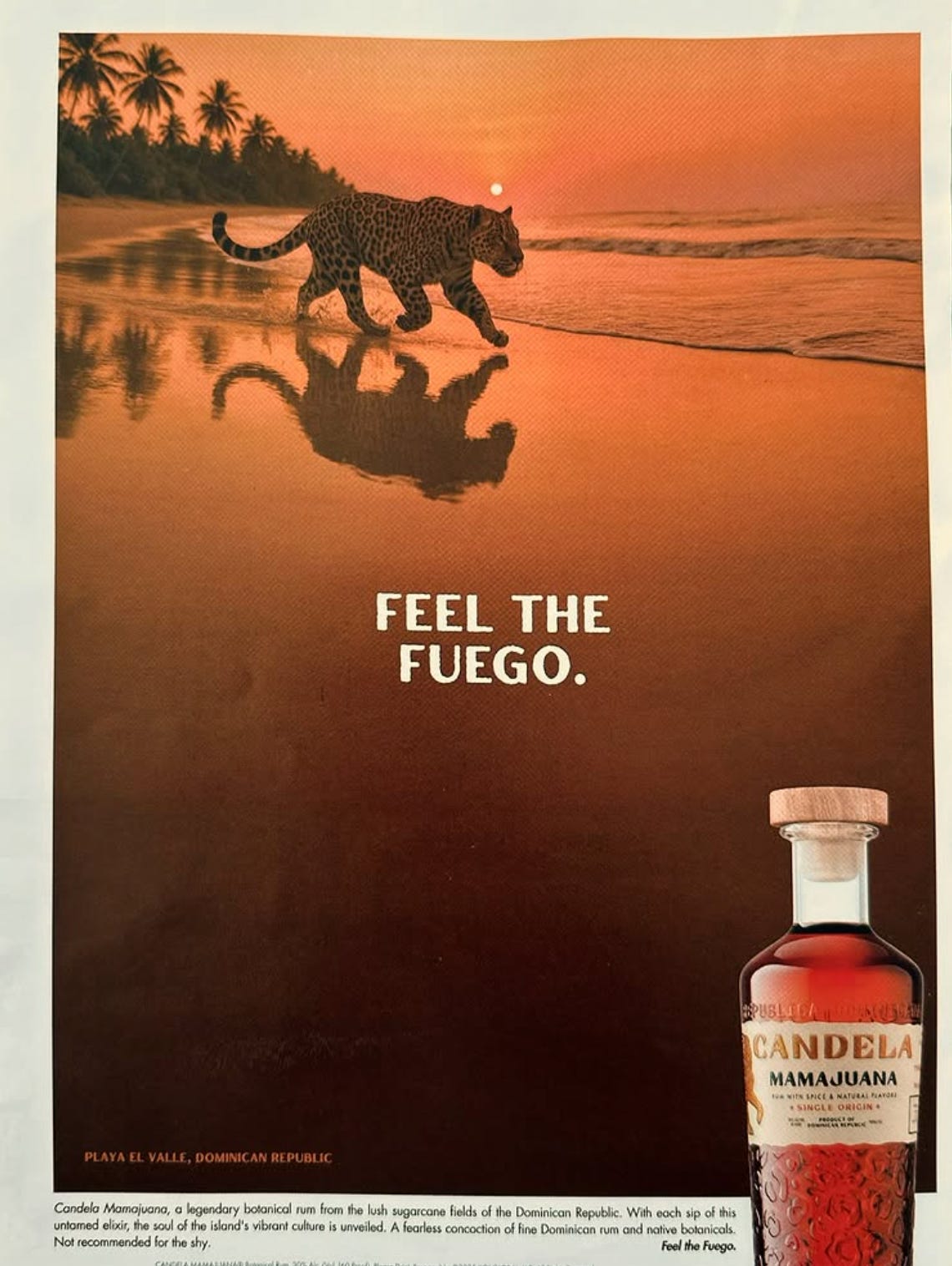
That focus on tradition and flavors says something about what modern drinkers actually want from rum. They want authenticity, they want something crafty that isn’t pretentious, and they want taste that isn’t held up by sugar and artificial additives. Candela delivers all of this, alongside a reminder that rum can be refined, layered and culturally specific.
Education is part of the job
Alejandro says the hardest part of building Candela has been ongoing education — letting people know what mamajuana is, where it comes from, why it’s special and how to drink it. And that’s a challenge that comes up every single day.
“You’re not just competing with other rum brands, you’re competing with conceptual unfamiliarity,” he says. “But the upside is enormous: when people discover something truly new, they become evangelists. Category creation is slow at first, then exponential. Now we have so many loyal superfans who spread the word. It’s been worth it to be unique.”
The education job doesn’t belong to Candela alone. There’s a new wave of consumers just waiting to discover rum, and to fall back in love with mojitos, piña coladas, daquiris and cubra libres, says Alejandro.
They’re not going to be won over by tired flavor cues or clichés — they want new, better brands that they can show off and post on socials. “New brands that say something about their aspirational status and person.”
Functional vs. emotional
Winning people over to rum isn’t going to happen via the old visual and flavor cues. And it’s not going to happen by showing off how well-aged your liquid is.
Think about it: why do people still buy iPhones, when other smartphones have better cameras? Why didn’t the iPod compete on having the most storage?
Consumers respond to a lot of different things but, often, brands win out by appealing to what Alejandro calls “an emotional advantage”, rather than a “functional, competitive” one. That’s why Candela decided to stay away from aging statements, to avoid getting into the rat race of “this rum is three years” vs “this one is five years”.
“I want consumers to choose Candela because it’s f*cking badass, not because it was aged longer.”
Differentiation is everything
Alejandro says spirits brand founders can fall into two traps.
First, they think it’ll be an easy, three- year ride. In reality, the supply chains, distribution process and sales cycles are long. Forget those three years, and start thinking in terms of a decade.
“The spirits industry moves at the pace of molasses. Be prepared and be patient,” he says.
Second, founders think a cool product is enough to win someone over. The truth is that spirits brands live and die on differentiation. If you don’t have a good reason to exist, then why would someone have a good reason to buy you?
From day zero know why you’re different, why you’re better, and why someone would swap their favorite choice for you.
NEW RULES FROM CANDELA MAMAJUANA
Elevate a category by adding something new, not by imitating what already exists.
Candela’s take on a legendary Dominican botanical rum is different, and alluring.
Build an identity that reflects the world your consumer lives in now
Don’t rely on old tropes and design cues. It’s lazy. And it rarely builds long-term brand value.
Lead with emotional value, not technical value.
People choose brands because of how they feel, not because of aging statements.
Treat spirits as a decade-long build.
Patience, clarity, and cultural conviction compound over time.
The New Rules is a labor of love by nihilo.agency
Support us by:
- Subscribing
- Sharing
- Hiring us
- Inviting us to speak at your conference or event on branding/bev/alc/fun