


Welcome to New Rules Features! This is a series exploring brand building in the bev/alc space. If you enjoy this (and other features on what bev/alc can learn from meat-free’s decline and why distillery tours are over) hit subscribe.
Let’s imagine the (not too distant) future. It’s 2030, and the GLP-1 market is now worth $150 billion. 35% of Americans are using them, and they’re not only eating less they’re drinking less as well. For a not insignificant proportion of the population alcohol is less alluring, it’s less buzzy, and it’s less important – which means marketing and selling it is harder than ever.
This isn’t an iron-clad prediction. It’s a fictional outcome informed by data from this PWC research, as well as widespread reports that GLP-1 drugs dull people’s enthusiasm for booze.
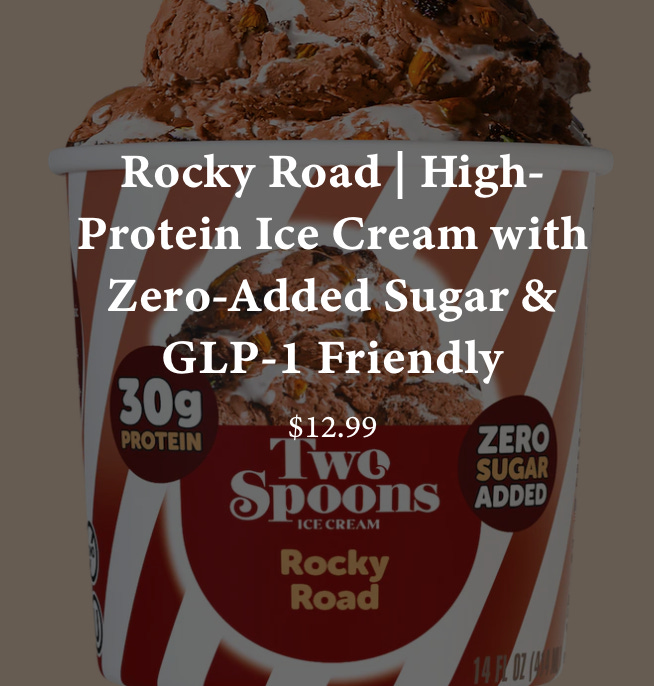
There’s already GLP-1-friendly and GLP-1-specific food brands being built. Nestlé is creating products and investing in supplements that support people taking GLP-1 drugs. Danone has launched a drink (Oikos) specifically for GLP-1 users.
There’s even GLP-1-friendly beauty and aesthetics brands that address ‘Ozempic face’, and the effects of the medication on the skin. And I have a feeling there’s going to be a wave of businesses that cater to the dismount, supporting people when they stop taking these drugs.
So, if you’re a bev/alc brand how do you respond to this? Many possible paths lie ahead:
1)Double-down on building your consumer relationship
If the very urge to drink is being damped down, then your relationship with the consumer is more critical than ever. Do people really, really love your brand?
Does it speak to them, beyond being the source of their Friday night glass of wine, or beer, or cocktail ingredient? Are you more to them than an appealing label on a draft tap, or a supermarket shelf? If not, you’re in trouble. Which takes us on to…
2)Create a brand world – and that really means a brand world, not just fancy graphics
Ok, so your logo is the bedrock of your brand and that’s great. Maybe you’ve got a really beautiful label with some eye-catching illustrations. What else are you?
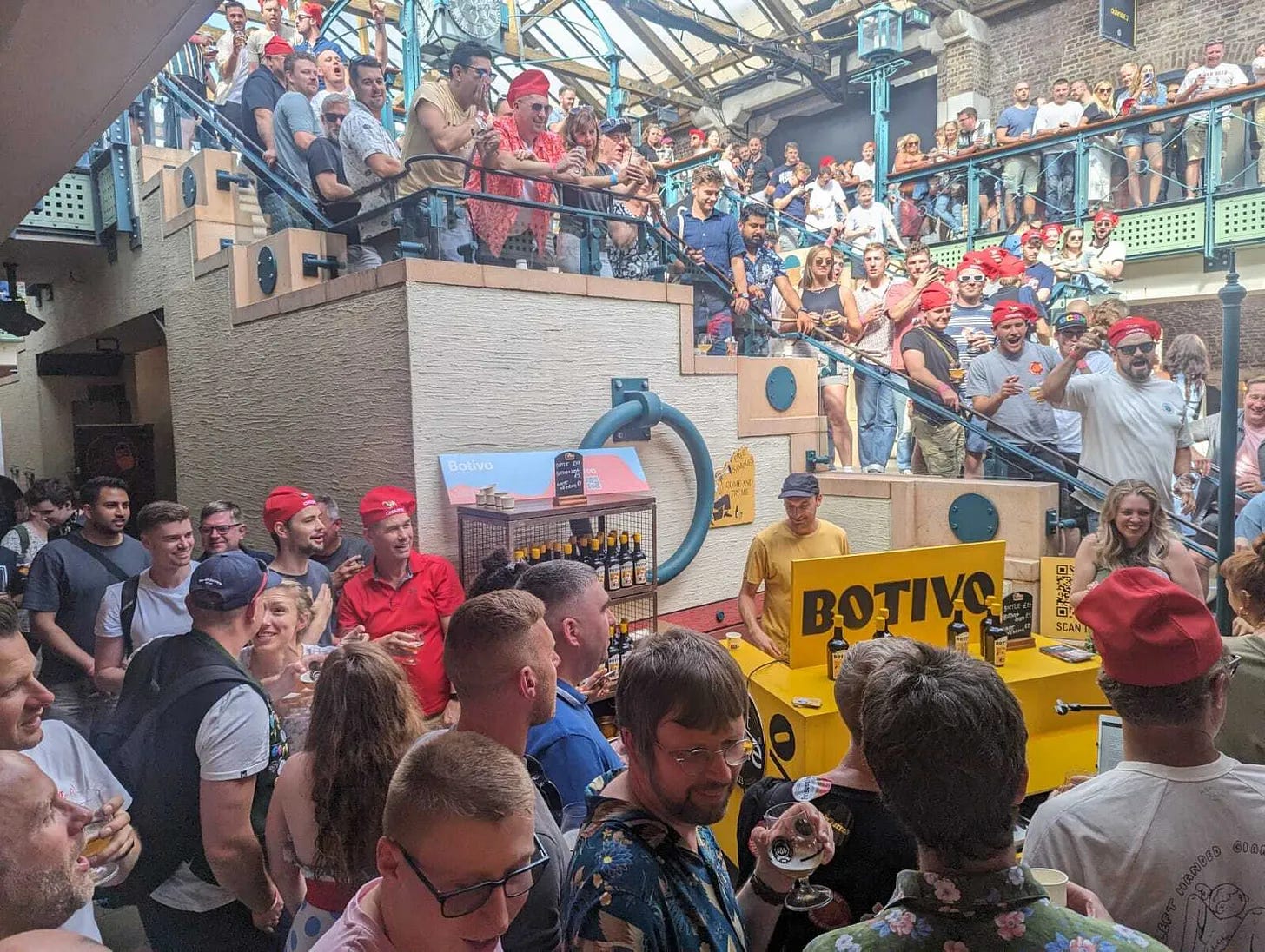
To build the kind of consumer relationship we’re talking about, you need to wrap people up in the world and narrative of your business. Think about MOTH and their MOTH license activation, or the piano that Botivo brings to events, or Stella Artois and the pubs they opened with Palace, or the way Sylva talks about products, emphasising the care and time that goes into them.
Think about how Hendricks has doubled down on lavish, ‘curious’ experiences. Or how Peddlers released a fortune teller box with secret recipes and a coin-slot opening mechanism.
Be spiky and weird and off-kilter, and make yourself impossible to replace by another, look-a-like, behave-a-like brand. Have a reason and a story, and talk about what goes into your product and why you want people to care about it. Be present in their lives – show up where they’re expecting you and also where they’re not.
3)Be uncopiable (or as close as you can get)
If you’re doing all of the above right, then no-one else is going to be quite like you. Your GLP-1-taking consumer will be less easily tempted by competitors, because they can only get what they want from you.
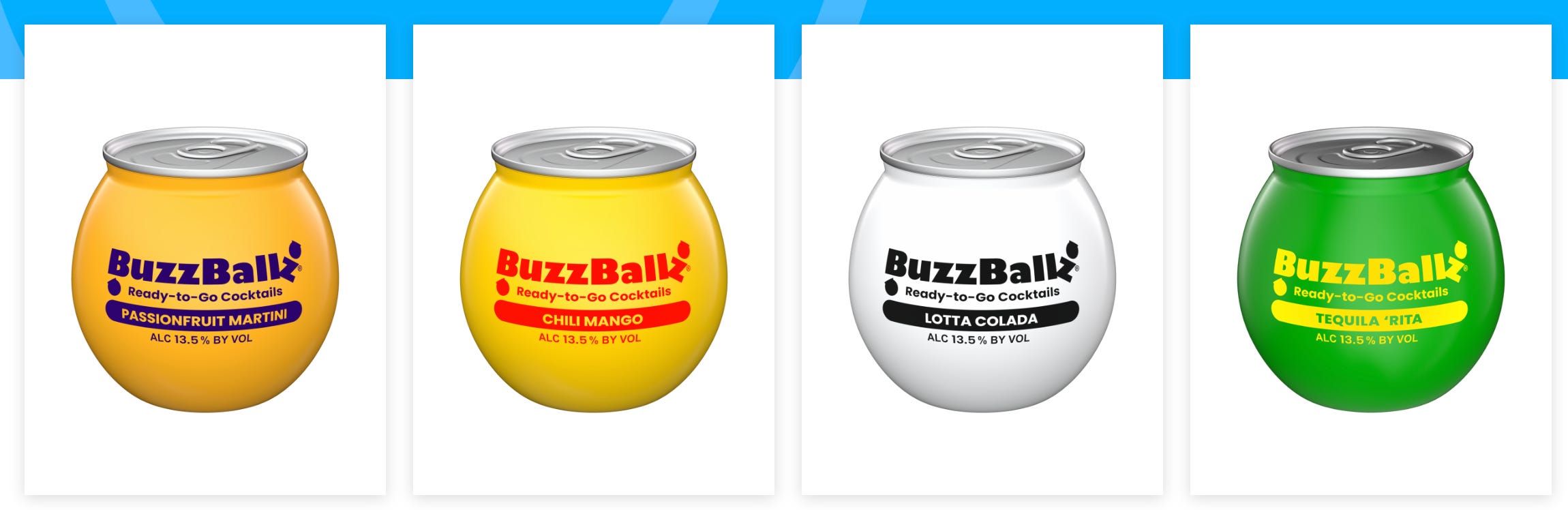
As one example, I think a significant part of Buzzballz’ success in the UK (seriously, the roads in London where I live are lined with empty Buzzballz) is their round packaging. It feels novel, it feels silly, and it’s not exactly the same as all the other RTDs in the corner shop. Or how about packaging your gin in what is, effectively, an oil drum, like Outer Gin?
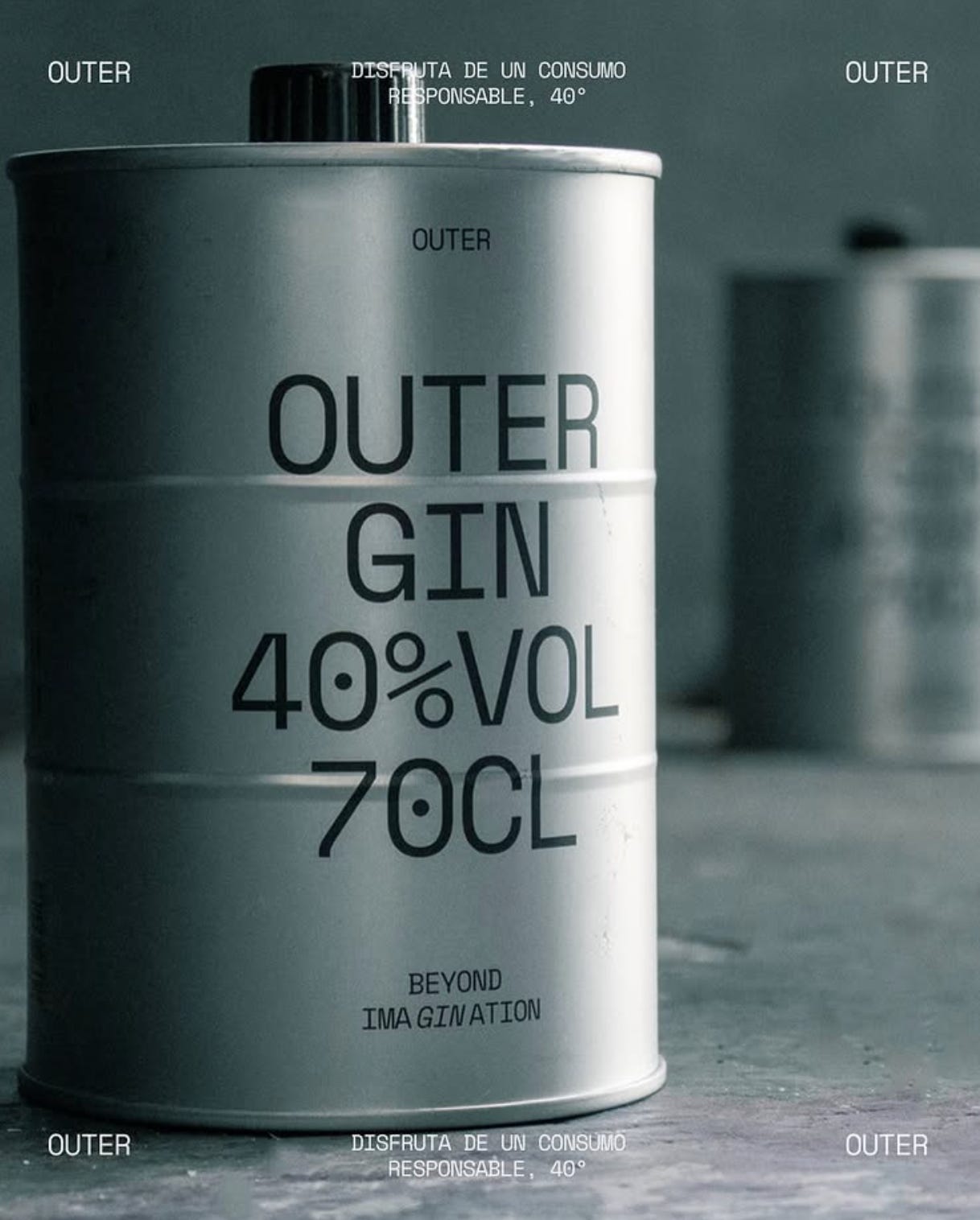
People are going to need a a novel experience that will to catch their eye and win them over, even if their urge to drink is significantly reduced.
4)Make truly exceptional product
This feels obvious, but if people are drinking less, then they’re going to be a lot more choosy about what they do drink.
Brands that cut corners with second-rate ingredients and processes are instantly less alluring than a business that’s putting time and money into making something wonderful. Just look at what’s going on with the additive-free wars in tequila land, where indie brands are fighting to promote their legitimate, additive-free status.
Of course it’s not enough to make great product. You have to tell people – remind them that your lemons come from your uncle’s Sicilian orchard, or that your beer is made, right here, in Brooklyn, or that your recipe has been handed down across generations of your family. Great brand can’t fix terrible product (as we’ve pointed out in an earlier feature around the failing fortunes of ‘plant-based’), but it can alert people to the things that make your product genuinely great.
5)Embrace smaller sizes
Smaller serves seem like a good bet for the GLP-1 era. It’s something that 818 Tequila is already playing with, and there’s been multiple news stories about bars selling ‘mini’ cocktails (lower price, lower alcohol, lower calories).
If people really are drinking less, because of GLP-1s, then cater to that. Make it easy for them: give them a smaller, more manageable size. And if you roll that up with all of the above, you’ll be giving them a novel experience with great product, compellingly branded in a way that builds an ongoing relationship with that person.
6)Explore lower ABV options
This is already happening to a certain extent – with brands like Quarter Proof attracting significant investment – but offering less alcoholic options feels like an immediate win.
The beauty is that it doesn’t exclude your existing audience, because you’re speaking to people that might be open to drinking less generally, as well as people drinking less because of weight loss medication.
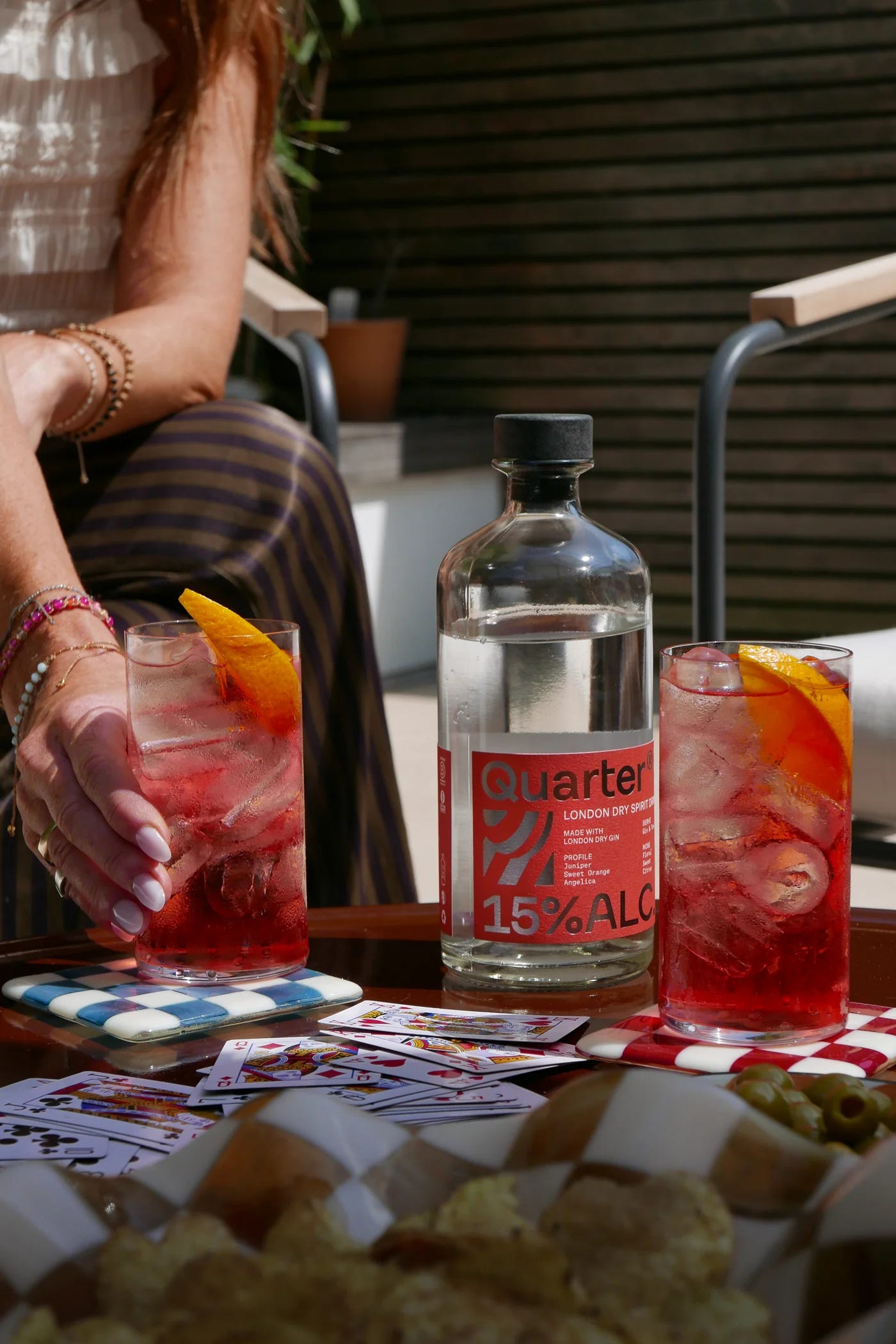
And never – absolutely never – position these as ‘lesser’ versions of the ‘real thing’, as we’ve written about before.
7) Go drinks plus
There’s already a wave of bev brands adding extra ingredients into the mix. People are getting more familiar with add-ons in the form of protein, or mushroom powder, or CBD. Many alc-free brands are experimenting with putting ‘other’ ingredients into their liquids, for example Mingle Mocktails and its ‘adaptogenic’ RTDs. The CEO of the José Andres restaurant group recently said his team is experimenting with mushroom-based drinks in places where psychedelics are legal.
If people taking GLP-1s are pickier and more conscious of ingredients, there’s an opportunity here to cater to both those things.
Or, maybe there’s a chance to go fully scorched Earth contrarian and start making higher proof spirits. We recently spoke with someone who told us: “everyone’s doing no- and low-. I’m going high.”
8)Experiment with flavors
Some studies suggest GLP-1 drugs can make flavors seem less flavorsome. And this actually seems related to a broader societal trend of people searching for ‘moreness’.
Strategist Jasmine Bina has already written about the hunt for ‘potency’, which reminded me of earlier this summer – when thouasnds of people went to The Huntington in San Marino to huff up the dire aroma of its corpse flower.
The Hustle newsletter has also reported on US restaurant chains’ mania for adding spicy food to their menus, as a way of re-engaging with people.
People love an experience, and bev/alc brands need to give them one. Think about the rise of Aperol Spritz and its trademark bitterness, or the growing popularity of herby amaros. Surprising flavor combos and strengths could be the novel experience that keeps GLP-1 users engaged.
9)Be less available
Sneaker brands have spent years leveraging one-offs and limited editions – and there’s a reason for that: they’re hugely, hugely seductive. If there’s a fixed amount of something available, it’s human nature to want it more.
Now, admittedly, reports suggest that GLP-1 doesn’t just quell people’s urge to eat and drink booze, it also dulls their desire to impulse shop. But if people are drinking less, and reserving those moments of drinking for something special, this opens up a chance to emphasise limited runs, or one-offs, or seasonal flavors, or unique combinations that are available once and (maybe) never again.
If you can’t rely on the seductive power of the booze itself, there are other levers to pull. Dial up the occasion. Don't just sell people whiskey, sell them something rare.
10)Reformulate your messaging
Two Spoons explicitly markets its high protein ice cream as ‘GLP-1 friendly’. That’s it: it’s two words, and you’ve immediately caught the eye of a whole segment of people. Most consumers don't want to have to think too hard to understand something – they want to be told, quickly and in no uncertain terms.
So if you’re making something with GLP-1 users in mind, signpost it as such. Let people know that your bev/alc brand has something that can specifically support them, or add to their nutrition intake, or is designed to tickle their fancy.
In conclusion
Booze isn’t going anywhere. And to be clear, we’re in the early stages of GLP-1 drugs and their adoption – meaning all of the above is pure speculation.
That said, catering to people on weight loss meds isn’t so different to catering to everyone else: make great product, be interesting, be unexpected, and build a brand world that people want to come back to time and time again.